You love the idea of a ski home you can enjoy on winter weekends and rent when you are away. In Kellogg, that dream is within reach thanks to Silver Mountain, year‑round amenities and a market that still feels approachable compared to bigger resort towns. This guide walks you through where to buy, what to expect from rentals, the permits and taxes you must plan for and the due diligence that protects your investment. Let’s dive in.
Why Kellogg works for ski homes
Kellogg sits in North Idaho’s Silver Valley along the I‑90 corridor, which makes weekend trips simple for the regional drive market. Proximity matters for both your own use and rental demand. Easy access tends to support strong winter and summer bookings while keeping your travel time manageable.
Silver Mountain is the anchor. The resort offers about 1,600+ acres, roughly 2,200 feet of vertical, an average of ~340 inches of annual snowfall and a longest run around 2.5 miles. You reach the mountain via a scenic 3.1‑mile gondola ride from town, which is a signature feature that keeps the base area lively in every season. You can review official mountain stats on the resort’s trail map and mountain overview and learn about the gondola and scenic rides.
What to buy near Silver Mountain
Condos close to the gondola
If you want walkability to the gondola, condos in the base‑area village are the most convenient. Many offer on‑site amenities and easy access to the waterpark. Management is often simpler since HOAs handle exterior maintenance and common utilities, though you should confirm what is included.
Condos can be ideal for short stays and couples or small families, which tend to book consistently through the core winter weeks and summer weekends. Expect HOA rules and rental guidelines, so review CC&Rs before you write an offer.
Townhomes and duplexes for groups
Townhomes near the base area or in nearby neighborhoods can deliver more bedrooms and living space for families or friend groups. You trade some front‑desk convenience for extra square footage and a private garage or driveway, which is helpful in winter. Check parking capacity and any neighborhood rules up front.
Cabins and single‑family homes
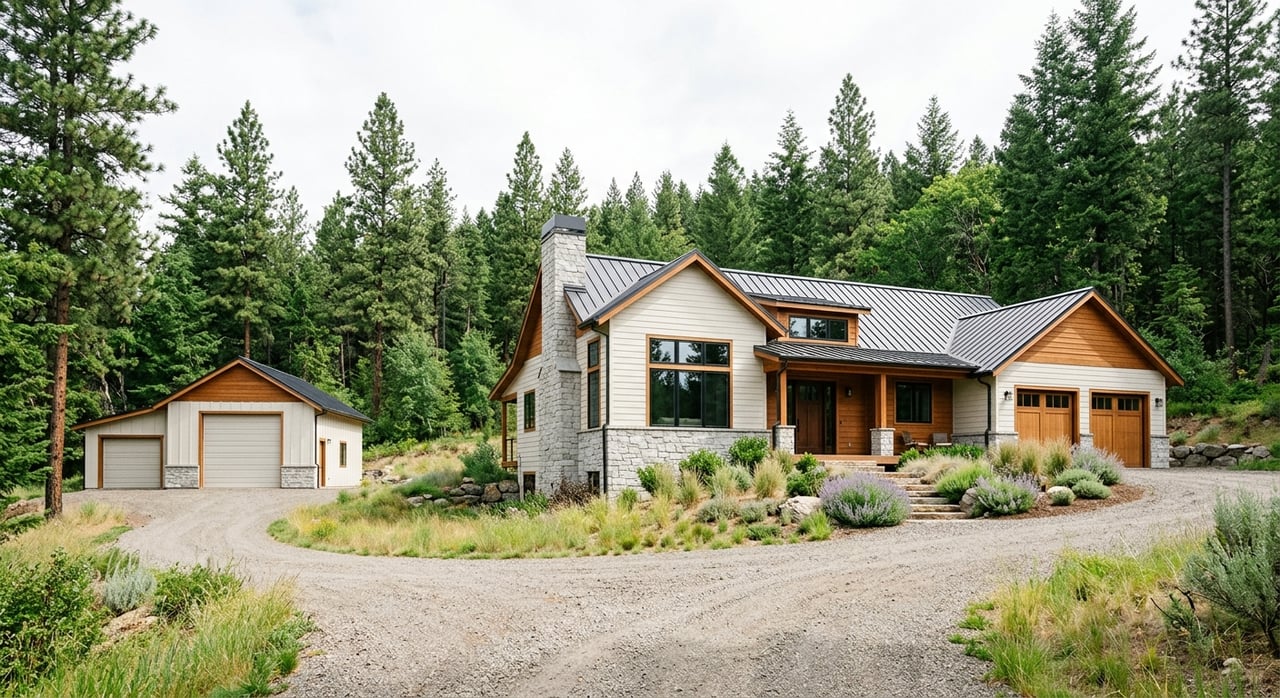
Cabins outside the village offer privacy, bigger gathering areas and often higher per‑booking rates for larger groups. The tradeoffs are real: snow removal, winterization, and sometimes well and septic systems that require maintenance. Confirm winter access and turnaround space for plow trucks so guests can arrive safely during storms.
Rental demand and seasonality
Peak winter and a real summer season
Winter is your revenue engine. Holiday periods, January weekends, MLK, Presidents Week and February typically command the highest rates and the strongest occupancy for ski‑proximate units. A strong snowpack can extend the season.
Summer is a true second season in Kellogg. Silver Mountain runs scenic gondola rides and a bike park, and families come for warm‑weather hiking and the indoor waterpark. The resort posts its operations calendar, which helps you plan pricing and minimum‑night stays around events and lift schedules.
Nightly rate signals you can see
Public listing snapshots suggest many one‑ to two‑bedroom condos near the resort often list in the low‑to‑mid hundreds per night, with larger three‑plus‑bedroom homes commonly listing over $200 depending on amenities and dates. You can scan current examples on this Kellogg vacation rental listings page. These are asking rates, not normalized performance.
For defensible revenue forecasts, ask local property managers for comparable ADR and occupancy by month, or purchase a paid short‑term rental dataset. Public sites do not provide the complete occupancy history you need to model cash flow with confidence.
How the numbers pencil
Start with a simple framework:
- Gross revenue: Average Daily Rate (ADR) x occupied nights
- Less variable costs: cleaning per stay, platform fees, credit card fees
- Less fixed or semi‑fixed costs: property management fee, HOA dues, utilities, insurance, snow removal
- Less taxes: state and local lodging taxes you collect from guests and remit
- Net operating income: gross revenue minus all costs
To estimate inputs, ask for or assemble the following:
- Monthly occupancy and ADR for a comparable unit type
- Cleaning fee amount and typical turnover frequency
- Platform or marketplace fees vs any direct‑booking assumptions
- Property management fee and inclusions
- HOA dues and what utilities they include
- Reserve targets for maintenance, small furnishings and capital items
Build three scenarios: conservative, expected and optimistic. Seasonality matters, so model by month, not just with annual averages.
Rules, permits and taxes in Kellogg
If you plan to rent for stays under 30 days, set up compliance before you accept your first booking.
City permits and operating rules
Inside Kellogg city limits, you must obtain two approvals before operating: a Short‑Term Rental Operator Permit and a Municipal Nonproperty Tax permit. The city outlines application steps, forms and monthly Local Option Tax returns on its Short‑Term Rentals guidance page.
Key operating standards from the municipal code include:
- A local contact person reachable 24/7 who must respond to complaints within 60 minutes
- Display of the operator permit and municipal nonproperty tax permit inside the rental
- Parking minimums set at one off‑street space per bedroom, with a maximum of three required on site under the code
- Good Neighbor policy posting, plus noise and trash standards
- Monthly LOT return filings, even for months with no rentals
Permits expire September 30 each year and must be renewed by October 1. You can review specific definitions and standards in the Kellogg municipal code. Always verify a property’s current permit status before closing.
State and local lodging taxes
For short‑term lodging in Idaho, expect two state taxes to apply to stays under 30 days: the 6% Idaho sales tax and the 2% Travel and Convention tax. Marketplaces may collect and remit some state taxes, but operators remain responsible for proper registration and any amounts not collected. The Idaho State Tax Commission explains these rules on its lodging tax guidance page.
Kellogg adds a 5.5% Local Option Tax on short stays inside city limits. You, or your manager, must collect this from guests and file monthly returns with the city. Confirm current rates with the city since LOT rates can change by voter approval.
Outside city limits in Shoshone County
Properties outside Kellogg fall under Shoshone County. There is no city LOT in unincorporated areas, but county tax assessment and utility considerations apply. Many rural properties use private wells and septic systems, which affect operating costs and maintenance planning. For tax and assessment resources, see the county’s Treasurer and Assessor pages. Verify whether a property sits inside the city boundary, since rules and remittance duties differ.
Ownership costs and risk planning
HOA dues and resort services
For condos and many townhomes, HOA dues can be significant and may include water, sewer, trash, building insurance and common‑area maintenance. Some communities also include amenity access. Review CC&Rs for rental rules, minimum stay requirements and any on‑site management policies.
Winter operations and utilities
For single‑family homes and cabins, plan for snow removal, driveway sanding and winterized systems that protect against frozen pipes. Confirm who maintains private roads and where guests can park safely in peak snow. If the property is on well and septic, budget for inspections, routine service and reserves.
Insurance for short‑term rentals
Standard homeowner policies may exclude business activity, so many owners secure a short‑term rental endorsement or a dedicated vacation‑rental policy. Platform protection programs are helpful but not a substitute for proper coverage. For an overview of host protection and specialized coverages, review this industry guide to vacation rental insurance basics. Speak with a knowledgeable insurance broker about availability and pricing, and evaluate local hazard exposures as part of your decision.
Due‑diligence checklist for buyers
Use this list to organize your offer and inspection period:
- Confirm whether the property is inside Kellogg city limits or in unincorporated Shoshone County.
- Request current STR Operator Permit and Municipal Nonproperty Tax permit copies, plus any LOT filings or notices on file with the city.
- Review CC&Rs and HOA rules for rental restrictions, minimum stays, parking rules and any on‑site management requirements.
- Ask the seller or local manager for 12–24 months of booking history by month. If unavailable, purchase a paid STR market report and cross‑check with manager comps.
- Verify utilities: municipal services versus well and septic. Inspect well output, septic capacity and winter access.
- Obtain insurance quotes for a vacation‑rental policy or endorsement, and confirm wildfire and storm coverage terms.
- Model the full tax stack in your pro forma: Idaho 6% sales tax + 2% Travel and Convention tax, plus Kellogg’s 5.5% LOT when applicable, along with platform fees and management costs.
- If you plan to use professional management, request a written scope, fee schedule, cleaning plan and sample contract.
How we help at Lifestyle North Realty
You deserve a purchase that fits your lifestyle and your numbers. Our team focuses on North Idaho lifestyle properties, including mountain and resort‑area homes, and we pair that local expertise with concierge‑level buyer representation. We help you identify the right product type, navigate HOA and permit considerations and structure an offer that reflects seasonality and rental potential.
Whether you want a turnkey condo by the gondola or a private cabin with room for a crowd, we will guide you from search to close with clear, data‑supported advice. Ready to explore Kellogg ski homes near Silver Mountain and build a plan that aligns with your goals? Connect with Lifestyle North Realty to start the conversation.
FAQs
What permits do you need to run a short‑term rental in Kellogg?
- Inside city limits, you need a Short‑Term Rental Operator Permit and a Municipal Nonproperty Tax permit, plus a designated 24/7 local contact, posted permits in the unit, and monthly LOT filings.
How are short‑term rentals taxed in Idaho and Kellogg?
- Guests typically pay Idaho’s 6% sales tax and 2% Travel and Convention tax, plus Kellogg’s 5.5% Local Option Tax inside city limits, which you or your manager collect and remit.
What seasons drive bookings near Silver Mountain?
- Winter is the peak for rates and occupancy, with strong holidays and February, and summer brings a second season tied to biking, scenic gondola rides and family travel.
What nightly rates are common near the resort?
- Many 1–2 bedroom condos list in the low‑to‑mid hundreds per night, while larger 3–4+ bedroom homes often list higher, though actual performance depends on season and management.
Are condos or cabins better for rentals in Kellogg?
- Condos offer convenience and simpler management under HOA structures, while cabins deliver privacy and space with added responsibilities like snow removal and utility maintenance.
How can you model revenue before you buy in Kellogg?
- Ask local managers for monthly ADR and occupancy for comparable units or buy a paid STR dataset, then build conservative, expected and optimistic scenarios by month.