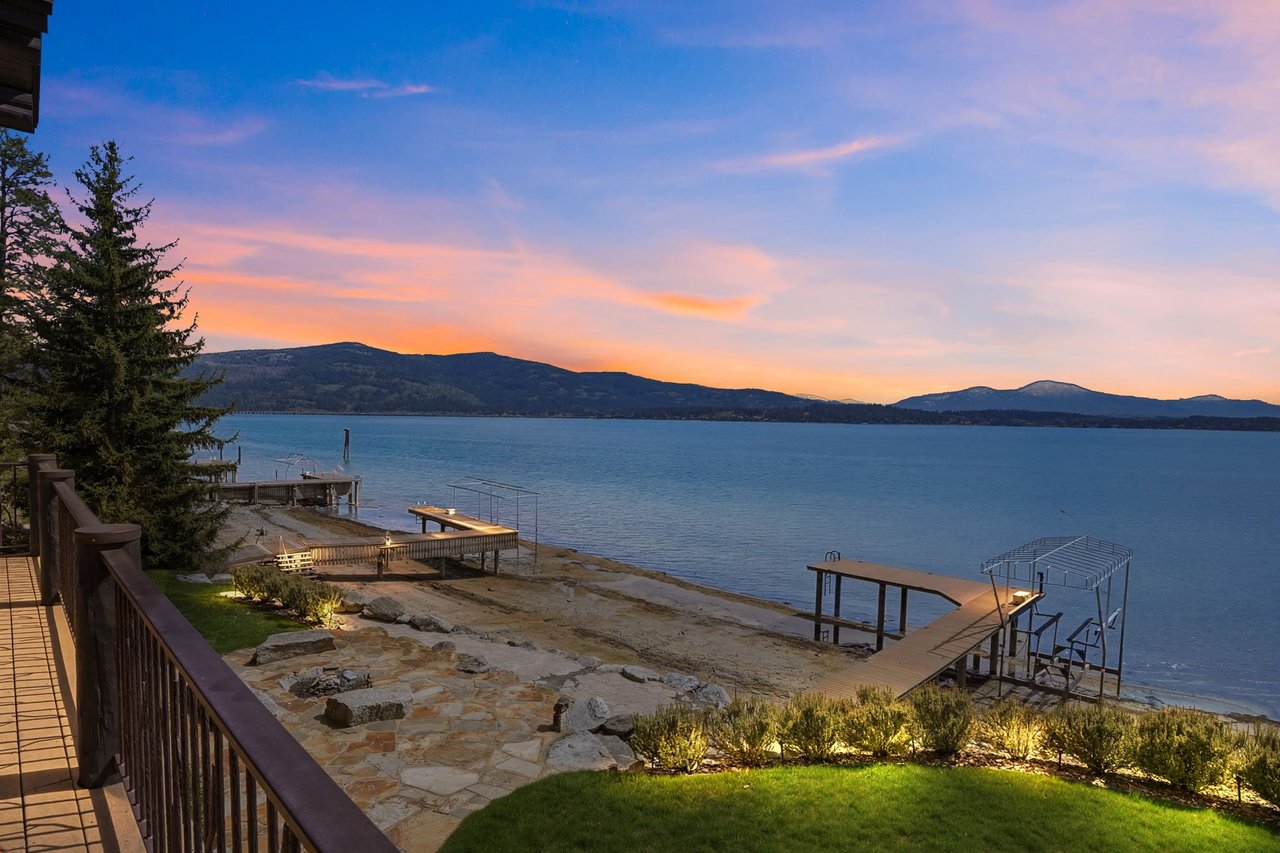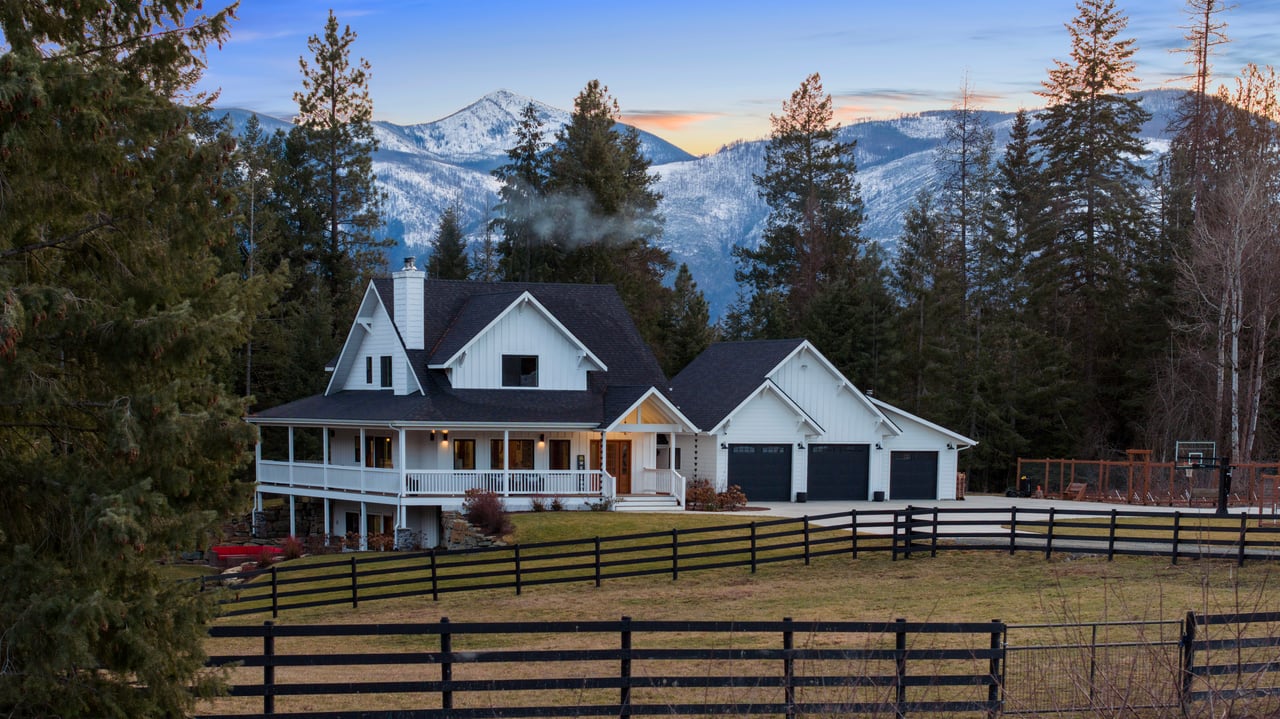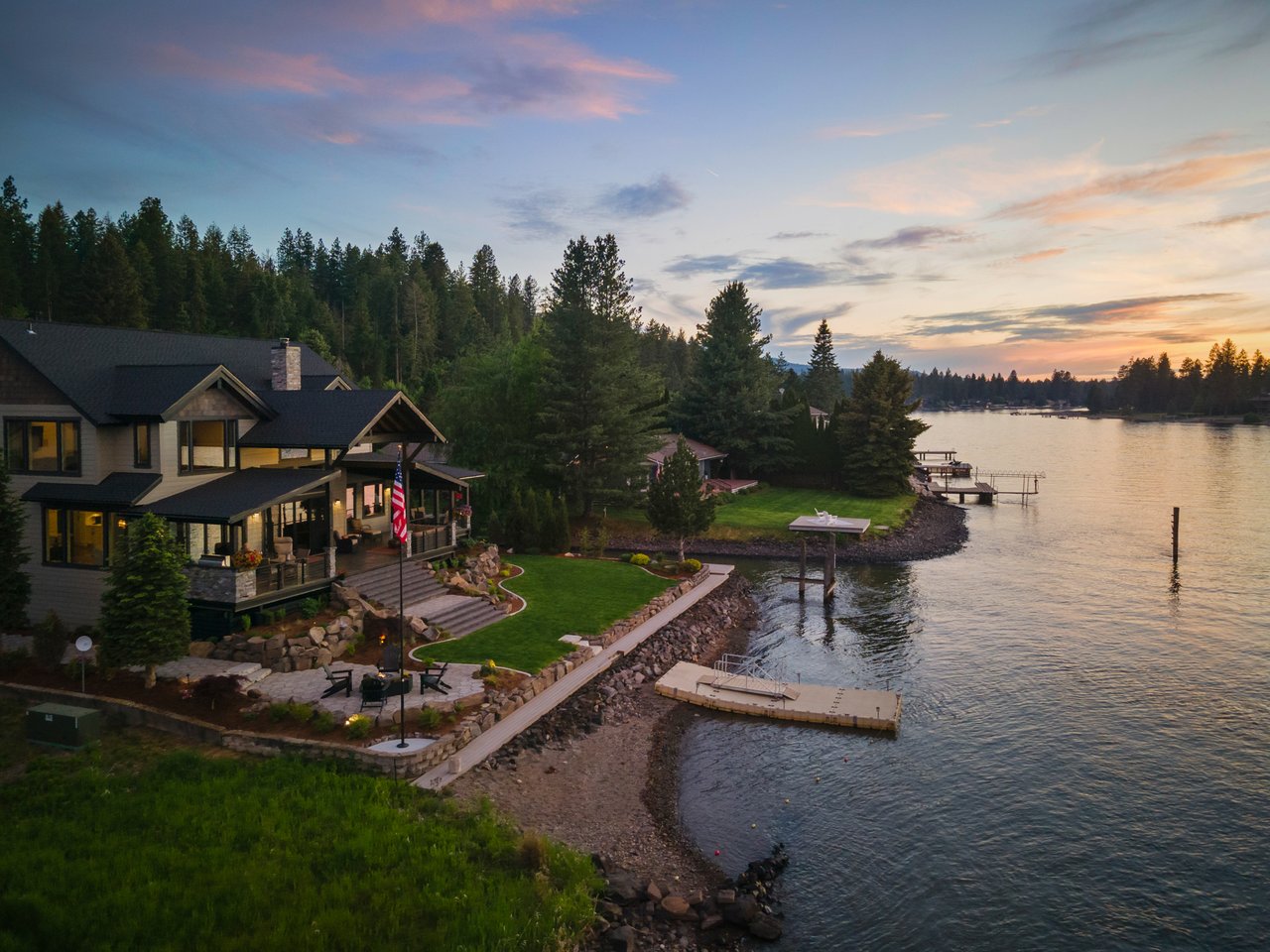
Dreaming about a future cabin near Saint Maries is the fun part. Finding land you can actually build on is where smart planning matters most. If you want a place for quiet weekends, mountain views, or a long-term retreat, a little due diligence now can save you time, money, and stress later. Let’s dive in.
Start With Jurisdiction
One of the first things to confirm is where the parcel is governed. Land near Saint Maries may be inside city limits, in zone 2 of the city impact area, or in unincorporated Benewah County.
That matters because the rules can change depending on location. In zone 2, St. Maries zoning, subdivision, and building code and permit rules apply, while Benewah County floodplain rules still apply. The city and county also have separate building offices and forms, so you want to know early which office will review the property.
If you are planning a future cabin rather than an immediate build, this step is still important. It helps you understand what kind of development path the parcel may have later and which standards could shape your plans.
Check Access Before Anything Else
Access can make or break a land purchase near Saint Maries. A beautiful parcel may still be a poor fit if getting to it legally and safely is difficult.
Benewah County requires legal practical access to a private or public road, and that access must be conveyed by a recorded easement when needed. The county also requires that the access road already meets, or can be built to meet, International Fire Code standards.
If a parcel seems secluded, ask whether it is actually landlocked or if access depends on an informal arrangement. A recorded easement is much different from a verbal understanding, especially if you plan to build a cabin later.
The legal description matters too. Benewah County requires legal descriptions that close, can be surveyed, and can be mapped. The county strongly encourages using a licensed surveyor, and if the legal description does not meet those standards, a survey is required.
Understand Driveway and Road Costs
Cabin land often looks affordable at first glance. The bigger cost can come from what it takes to create usable access.
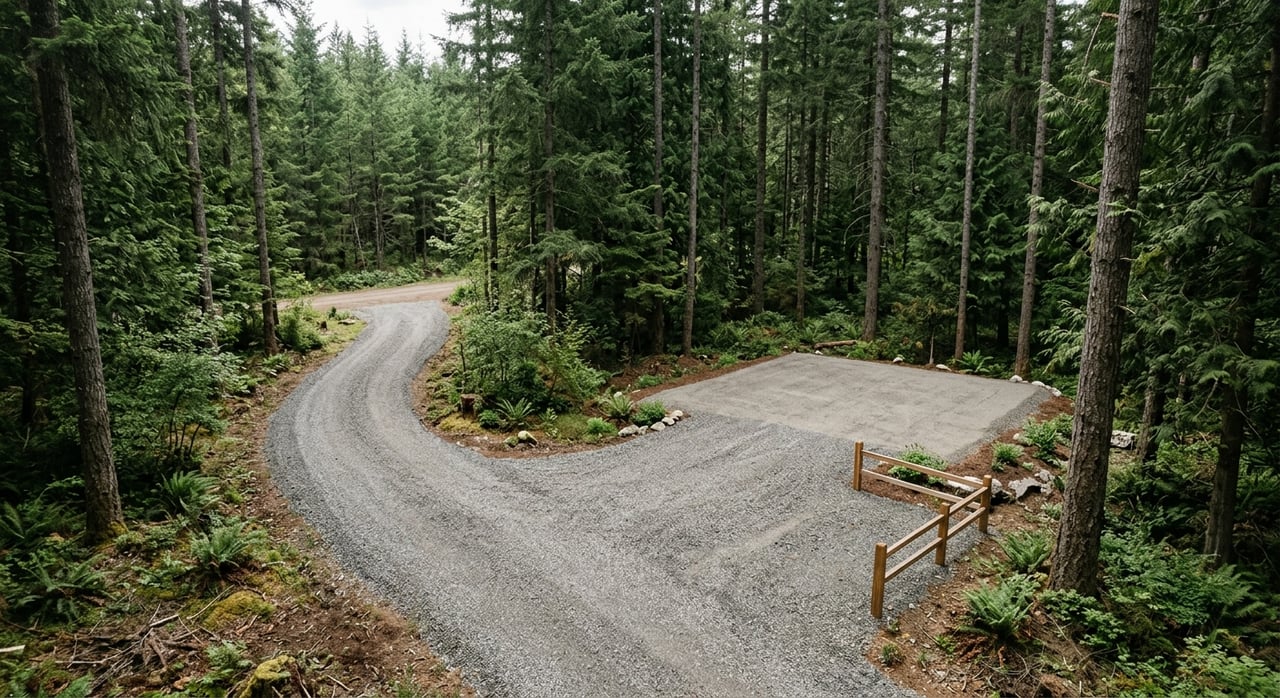
In Benewah County, new driveways, private roads, public roads, structure excavation, and most grading or fill work can trigger permit requirements under site-disturbance rules. Private-road right-of-way widths are tied to the current International Fire Code, and public-road widths are tied to LHTAC guidelines.
If the parcel fronts a state highway, access may also require right-of-way or approach permits from the Idaho Transportation Department. That can affect your timeline and your budget.
For sloped land, erosion-control rules come into play early. Cut and fill slopes, drainage, and stabilized construction entrances and driveways are regulated, which means site work costs can rise quickly on challenging terrain.
Plan Utilities Before You Make an Offer
When you buy land for a future cabin, utility planning should happen before you get too attached. Water, septic, sewer, and electric availability all shape whether a property is truly practical.
Water Options Near Saint Maries
Some parcels may have access to city water, especially if they are in or near areas already served by city systems. St. Maries publishes water, sewer, and garbage rates, with separate water and sewer rates for city and out-of-city customers.
Many rural properties rely on private wells instead. Idaho requires a drilling permit before drilling a well, and the Idaho Department of Water Resources says domestic wells do not need a separate water right.
Private well ownership also comes with responsibility. Idaho DEQ notes that private wells are not regulated under the Safe Drinking Water Act, so the well owner is responsible for water safety.
Septic Is Often the Biggest Hurdle
For many cabin buyers, septic approval is the key question. DEQ says public health districts permit and inspect septic systems, and the property owner should get a site evaluation before purchasing property and applying for a permit.
This matters even more in Benewah County because the county will not issue a building permit for a habitable structure unless a septic permit has already been approved by the regional health district official. In simple terms, if septic does not work, your cabin plans may stop there.
Panhandle Health District reviews factors such as soil type, sewage flow, house size and location, wells or springs, surface water, groundwater, road cuts, grading, benching, setbacks to neighboring wells, buildings, and drainfields, and the proposed land use. That means a parcel with views and trees may still be a poor cabin site if the soil or layout does not support septic.
Panhandle Health District also has a St. Maries office for environmental health questions. If you are serious about a parcel, checking septic records or asking about a site evaluation early is a smart move.
Electric Service Is Parcel Specific
Do not assume electric service will be simple just because other homes are nearby. Idaho Public Utilities Commission tariff materials for Avista state that the company’s Idaho electric service area includes Benewah County, but service and extension costs still need to be confirmed property by property.
A parcel may be on an existing line, near one, or far enough away that extension costs change your budget. That is worth verifying before you move forward.
Review Floodplain and Topography Early
The best cabin lots are not always the easiest cabin lots. Before you focus too much on scenery or price, take a close look at topography, drainage, and floodplain concerns.
Benewah County’s floodplain ordinance is based on FEMA flood insurance studies and maps for the county and incorporated areas. A floodplain development permit is required before development in special flood hazard areas.
The county also makes clear that flood protection standards do not guarantee a parcel will never flood. If a lot is near water or in a low area, it is worth confirming floodplain status early in your search.
Topography also affects septic and site work. Panhandle Health District considers depth to groundwater, surface water location, road cuts, grading, benching, soil type, and setbacks when reviewing septic feasibility.
In practical terms, steep, wet, or irregular land can be harder to build on than it first appears. A lower purchase price does not always mean lower total cost.
Think About Future Plans Now
If your goal is to buy land now and build later, future flexibility matters. You may want a simple personal retreat today, but later consider a larger cabin, guest space, or even a parcel split if local rules allow.
If the parcel may be subdivided later, ask about Benewah County subdivision review and Panhandle Health District land-development review before any site work begins. County land-use rules and health district review can both come into play depending on the property and your plans.
This is also why early conversations with a surveyor and builder can be helpful. If boundaries, slope, access, or utility paths are unclear, bringing in the right professionals early can help you avoid expensive surprises.
A Smart Buyer Checklist
If you are shopping for cabin land near Saint Maries, keep this checklist handy:
- Confirm whether the parcel is in the city, the city impact area, or unincorporated Benewah County.
- Verify legal access and check for a recorded easement if needed.
- Review whether the access road meets, or can be built to meet, fire code standards.
- Ask about driveway, grading, and site-disturbance permit requirements.
- Check septic records or request a site evaluation through Panhandle Health District.
- Compare water options, including city service or a private well.
- Confirm electric availability and possible extension costs.
- Review floodplain status, slope, drainage, and overall buildability.
- Consider a survey if boundaries or legal descriptions are unclear.
- Ask about future subdivision or land-development review if long-term flexibility matters.
Why Local Guidance Matters
Buying land for a future cabin is different from buying an existing home. You are not just evaluating the property you see today. You are also evaluating the approvals, site conditions, and utility paths that will shape what you can do with it later.
That is especially true around Saint Maries, where city rules, city impact area rules, county requirements, septic review, and floodplain standards can overlap. A thoughtful, local approach can help you narrow the right parcels faster and avoid land that looks promising but carries hidden costs.
If you are considering land near Saint Maries for a future cabin, the right guidance can help you weigh access, utilities, site conditions, and long-term potential with more confidence. To start your search with a local, concierge-style approach, connect with Lifestyle North Realty.
FAQs
What should you check first when buying land near Saint Maries for a future cabin?
- Start by confirming whether the parcel is inside Saint Maries city limits, in the city impact area, or in unincorporated Benewah County, because different rules and offices may apply.
Why is legal access important for cabin land in Benewah County?
- Benewah County requires legal practical access to a private or public road, often through a recorded easement, and the access road must meet or be buildable to meet fire code standards.
Do you need septic approval before building a cabin in Benewah County?
- Yes. Benewah County will not issue a building permit for a habitable structure unless a septic permit has already been approved by the regional health district official.
Can you drill a private well on rural land near Saint Maries?
- Many rural properties use private wells, but Idaho requires a drilling permit before drilling, and well owners are responsible for water safety.
How do floodplain rules affect land near Saint Maries?
- If a parcel is in a special flood hazard area, Benewah County requires a floodplain development permit before development, so floodplain status should be checked early.
Should you get a survey before buying cabin land near Saint Maries?
- A survey can be very helpful when boundaries, legal descriptions, access routes, or build areas are unclear, and Benewah County may require one if the legal description is not surveyable or mappable.