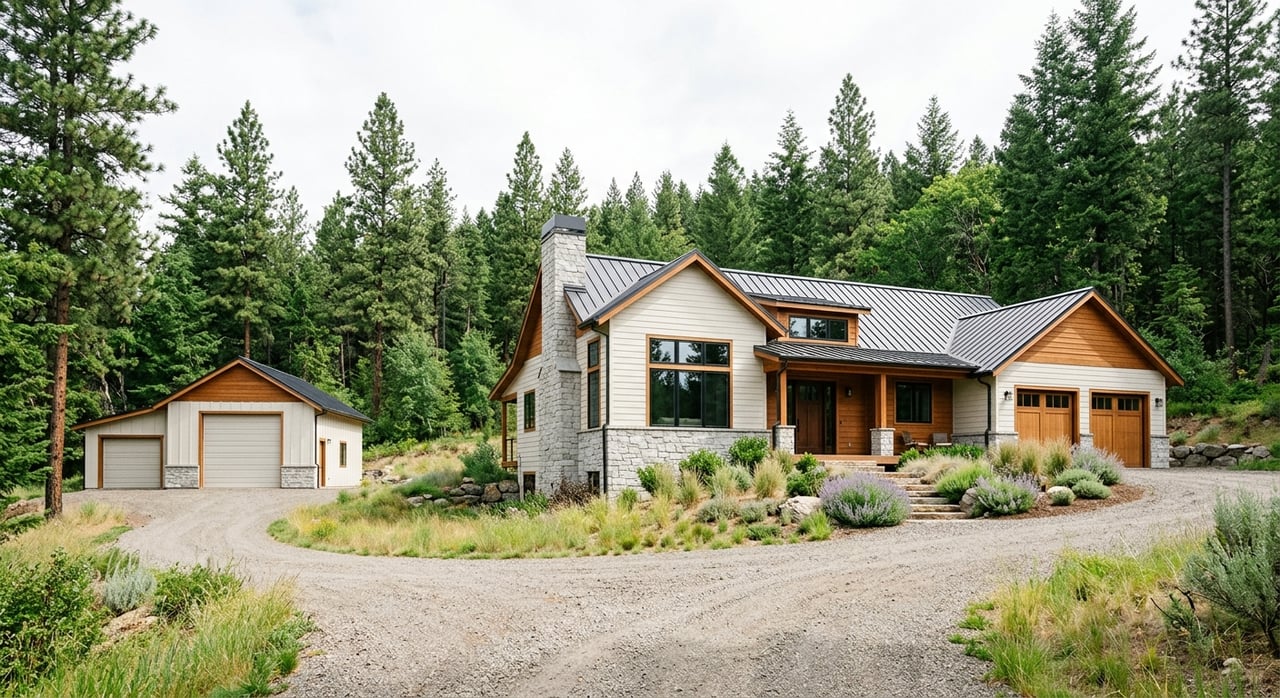
Want more space without taking on a full ranch? In Athol, that idea often starts with a few acres, but the right small acreage lifestyle is about more than land alone. You need to know how access, utilities, septic, permits, and seasonal upkeep can shape your plans from day one. If you are thinking about buying in the Athol area, this guide will help you plan with more clarity and confidence. Let’s dive in.
What small acreage means in Athol
In the Athol area, “small acreage” often means something in roughly the 2 to 5+ acre range. Kootenai County zoning offers a helpful reference point, with Agricultural-Suburban parcels shown at a 2-acre minimum and Rural and Agricultural parcels shown at 5 acres. That does not mean every parcel fits neatly into one box, but it does reflect how many buyers and owners think about land in this area.
County parcel records also show real Athol examples in that range, including parcels of about 3.3 acres and 4.933 acres. These examples are not a market average, but they do help show what a small acreage footprint can look like locally. For many buyers, this size range feels manageable while still offering room to spread out.
Why buyers choose acreage living
A small acreage property in Athol often offers a different rhythm than a standard residential lot. You may have more room for privacy, outdoor projects, storage, or future improvements. The appeal is not just the house itself, but the flexibility that comes with the land.
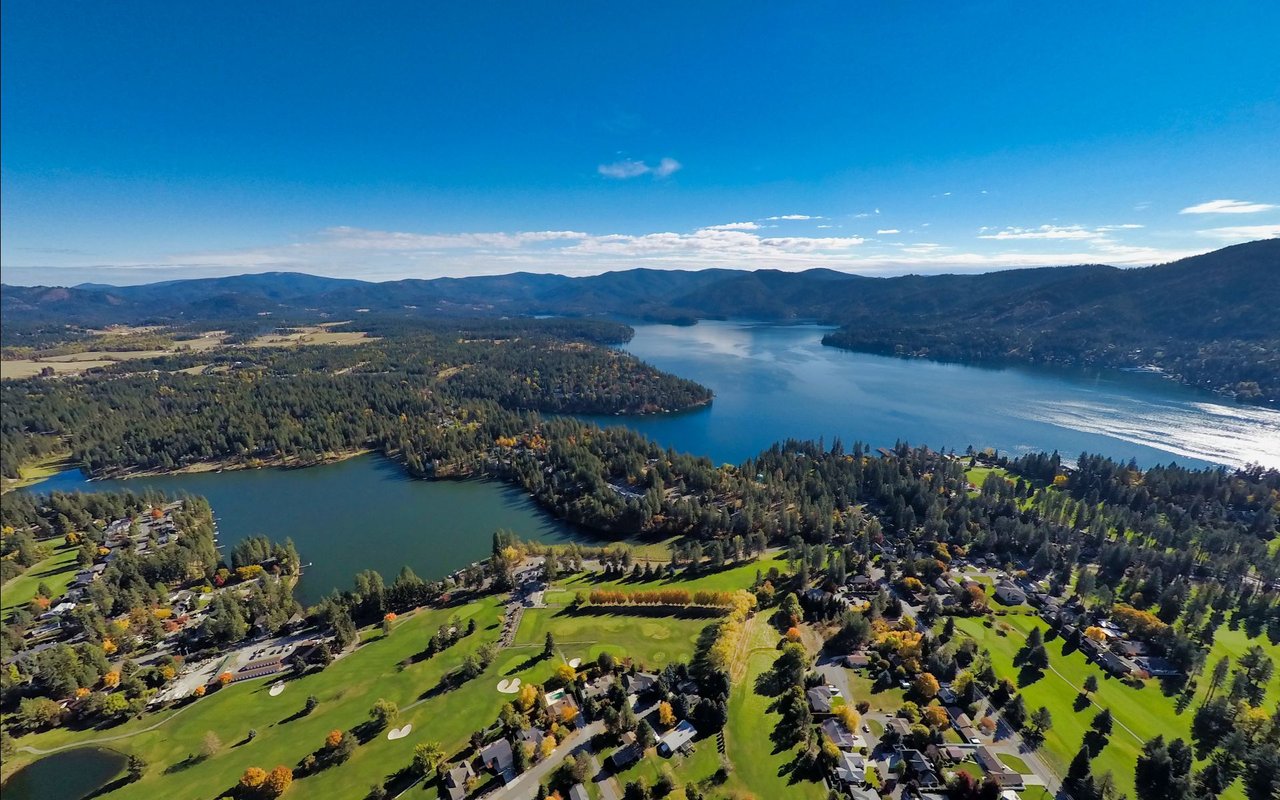
That flexibility matters in a place like Athol, where lifestyle and setting are a big part of the draw. Farragut State Park is about four miles east, Round Lake State Park is about ten miles north, and Silverwood Theme Park is about two miles south. If you want a home base that connects you to North Idaho’s outdoor lifestyle while giving you a little more elbow room, small acreage can be a strong fit.
Common property setups
Around Athol, small acreage properties are often planned as one main home plus functional secondary improvements. On 5-acre parcels, Kootenai County code supports uses that may include a single-family dwelling, manufactured home types allowed by code, two-family dwelling, accessory buildings, one accessory living unit, home occupations, non-commercial kennels, and temporary recreational vehicle use.
In practical terms, that means you may be looking at more than a house and a yard. Many buyers want room for a shop, garage, pole barn, storage building, or other useful outbuilding. County permit forms reflect this reality by providing separate applications for structures and site work such as grading and excavation.
A county record example in Athol shows this pattern clearly, with a finalized single-family residence followed later by accessory or pole-structure work on a 4.933-acre parcel. That kind of setup helps explain why acreage living here is often described as versatile. It is space you can use thoughtfully, not just land you mow.
Start with jurisdiction and zoning
Before you fall in love with a parcel, confirm whether it is inside Athol city limits or in county jurisdiction. That detail can affect water service, septic planning, and your permit path. A property inside city limits may connect to municipal systems differently than one outside town.
Zoning is the next key step. Kootenai County’s framework helps you understand whether a parcel falls into a 2-acre, 5-acre, or another lot-size pattern. That matters because your goals for building, adding an outbuilding, or planning for utilities need to match what the parcel can legally support.
Access can make or break the plan
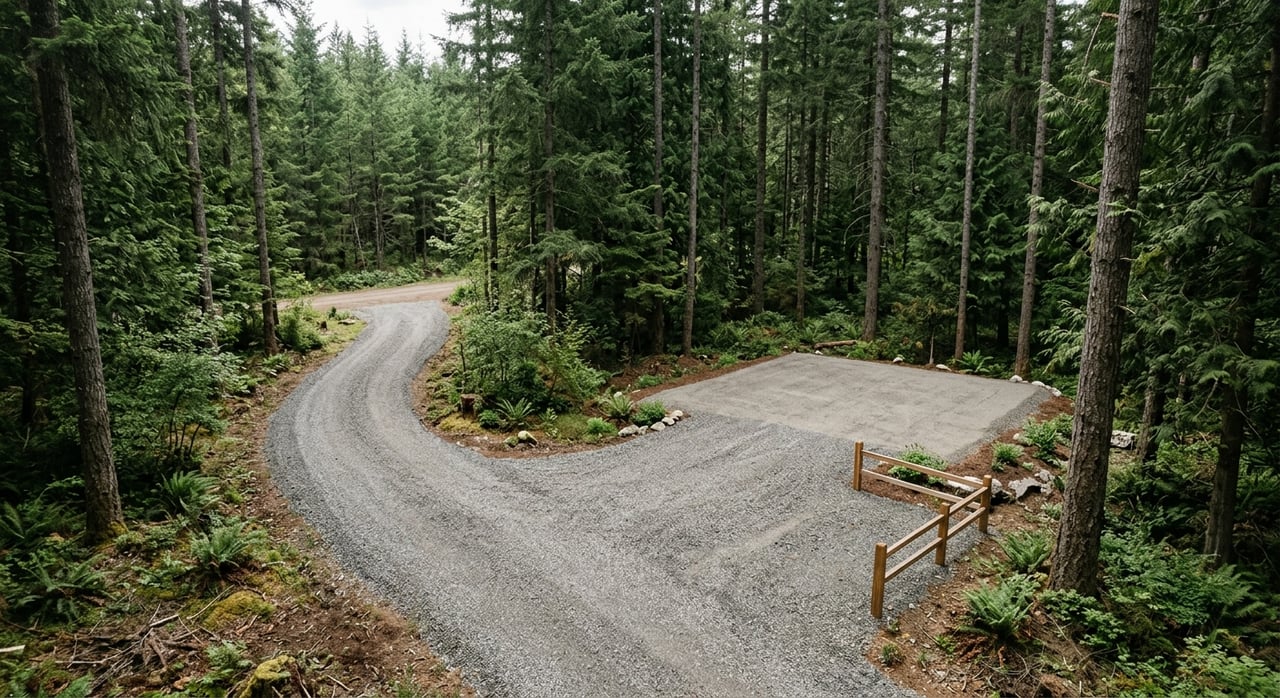
On small acreage, legal and practical access is one of the first things to verify. Kootenai County’s site-plan checklist requires buyers and builders to account for parcel boundaries, easements, roads, driveways, utilities, drainage features, and flood-zone information. If access runs across private land under different ownership, an access easement is required.
County road standards add more detail. New lots need frontage and direct access onto a road or common driveway that meets county standards. Private road easements must be at least 60 feet wide, and common driveway easements must be at least 40 feet wide.
This is why acreage due diligence goes beyond looking at a map and seeing a driveway. You want to know whether access is legal, usable, and aligned with county standards for future building. If you hope to add a home, shop, or other structure later, access should be part of your planning from the beginning.
Water and septic deserve early attention
Utilities on Athol acreage can vary from property to property. Inside Athol city limits, the municipal water system uses three wells drawing from the Spokane Valley-Rathdrum Prairie Aquifer. Outside city limits, water often depends on a private well, and Idaho DEQ notes that private well owners are responsible for making sure the water is safe.
If a parcel may need septic, plan to investigate that early. Idaho DEQ recommends a site evaluation before buying property if a septic system will be needed. In the Athol area, this step is especially important because Panhandle Health District states that septic installation on the Rathdrum Aquifer requires a minimum parcel size of 5 acres, unless the lot was created before December 20, 1977, or falls within an approved municipal sewage management area.
For many buyers, this is one of the biggest reality checks in small acreage planning. A parcel may look ideal on paper, but if your water and septic path does not line up with your goals, the lifestyle may not be as simple as it seems. It is much better to sort that out before you commit.
Permits involve more than the house
Acreage buyers sometimes focus on the home and forget that the land work itself can trigger review. In Kootenai County, permits are required before site disturbance such as grading, excavating, and storm drainage or runoff control. That can matter if your plans include a new driveway, utility trenching, a shop pad, retaining work, or other site preparation.
The county’s site-plan checklist also requires detailed information on structures, utility locations, and land features. That makes planning easier when you approach the property as a full site, not just a building envelope. On small acreage, the land is part of the project from the start.
Plan for everyday ownership
A small acreage lifestyle in Athol can be very manageable, but it does ask more of you than a typical in-town lot. Nearby Coeur d’Alene climate normals show an annual mean temperature of 48.8°F and about 25.36 inches of annual precipitation. January averages about 31.2°F, while July averages about 70.1°F, which points to real seasonality through the year.
That seasonality affects how you care for the property. Winter can bring snow and freeze-thaw cycles that impact driveways, roofs, and access. Summer can bring warmer, drier stretches that shape irrigation, landscaping, and vegetation management.
Kootenai County also publishes a snow-load map with minimum roof loads of 40, 50, or 60 pounds per square foot depending on location, with engineered design required in some areas. This is one reason roof design and winter planning should never be treated as small details on acreage properties.
Wildfire and land care matter
If the parcel is wooded or partly wooded, wildfire planning should be part of your routine ownership mindset. Idaho Department of Lands recommends defensible space and a personal wildland fire action plan. Its homeowner guidance defines Zone One as the first 30 feet around structures and Zone Two as 30 to 100 feet.
That often translates into practical yearly tasks like thinning vegetation, removing debris, mowing annual grasses, and cleaning roofs and gutters. These are not one-time items. They are part of caring for land in a way that supports safer, more durable ownership.
Kootenai County also notes that residential development is moving closer to agricultural, timber, and mixed ag-timber operations. In everyday terms, that means acreage living can feel spacious and private while still existing alongside working-land activity and seasonal maintenance realities.
A smart planning checklist
If you are exploring small acreage in Athol, keep your planning focused on the basics first:
- Confirm whether the parcel is in city or county jurisdiction
- Verify zoning and minimum lot-size framework
- Review legal access, easements, and driveway standards
- Check whether the property uses municipal water or may need a private well
- Investigate septic feasibility early, especially on parcels under 5 acres near the Rathdrum Aquifer
- Ask what permits may be needed for grading, trenching, driveways, or outbuildings
- Think through seasonal upkeep like snow, drainage, mowing, and vegetation management
- Make sure the parcel has room for the uses you actually want, such as a shop, barn, garage, or accessory living unit where allowed
Why preparation leads to a better fit
The best way to think about small acreage in Athol is not as effortless country living, but as manageable and versatile living when you plan well. The land is part of the homeownership experience. If you understand access, utilities, septic, permits, and maintenance before you buy, you are much more likely to choose a property that fits your goals.
That is especially true if you are relocating or trying to match a home to a specific North Idaho lifestyle. A well-chosen acreage property can offer room, function, and a strong connection to the outdoors. The key is making sure the practical side supports the lifestyle side.
If you are considering a move to Athol or want help comparing acreage properties with a clear eye toward lifestyle and due diligence, Lifestyle North Realty can help you navigate the details with a personalized, local approach.
FAQs
What does small acreage usually mean in Athol?
- In the Athol area, small acreage often means roughly 2 to 5+ acres, based on common local zoning patterns in Kootenai County.
What should buyers check first on an Athol acreage property?
- Buyers should first confirm jurisdiction, zoning, legal access, water source, septic feasibility, and whether planned land improvements may require permits.
Why is septic such a big issue for Athol small acreage?
- Near the Rathdrum Aquifer, Panhandle Health District says septic installation generally requires a minimum parcel size of 5 acres unless an exception applies, so septic can directly affect what a parcel can support.
Can an Athol acreage property include a shop or outbuilding?
- Many acreage properties are planned with accessory buildings such as shops, garages, pole barns, or storage buildings, but the exact options depend on zoning, parcel conditions, and permits.
Does access matter if a parcel already has a driveway?
- Yes. Buyers should still verify that access is legal and meets county standards, especially if the property uses a private road, shared driveway, or easement across another property.
What maintenance should owners expect on small acreage in Athol?
- Owners should expect seasonal work such as driveway upkeep, snow planning, vegetation management, irrigation planning, and ongoing wildfire-defensible-space maintenance where needed.