Thinking about selling your current home and moving up in Post Falls? That can be exciting, but it also comes with a big question: how do you sell well without making your next move harder? If you want more space, a better layout, or a home that fits the North Idaho lifestyle a little better, the key is to plan your sale and your next purchase together. This guide walks you through how to price smart, prepare your home, and line up your next step with confidence. Let’s dive in.
Why Post Falls Works for Trade-Up Sellers
Post Falls gives trade-up owners a strong local backdrop. According to U.S. Census QuickFacts for Post Falls, the city’s population reached 45,800 in July 2024, up 18.6% from 2020, and the owner-occupied housing rate was 64.1% for 2020 through 2024. That points to a growing homeowner market with steady local movement.
The broader county is growing too. Kootenai County population data shows 188,323 residents in July 2024, up 9.9% from 2020. For you as a seller, that matters because growth can support buyer interest when your home is priced and presented well.
Local market speed is another advantage. In March 2026, Post Falls housing market data from Redfin showed a median sale price of $517,500, average days on market of 26, and a 99.6% sale-to-list ratio. Redfin also described the city as very competitive, with many homes receiving multiple offers.
That does not mean every home will sell instantly. The same data showed 23.5% of homes sold above list price, while 18.2% had price drops. In other words, buyers are active, but pricing discipline still matters.
Start With Your Move-Up Plan
Before you list, get clear on what “trade-up” means for you. You may want more square footage, a more functional floor plan, a larger lot, or easier access to the outdoor amenities that make Post Falls appealing. Having that goal defined early helps you make better decisions about timing, budget, and your sale strategy.
The Consumer Financial Protection Bureau notes that homeowners often try to sell their current home first before buying another one. For many move-up owners, that approach reduces financial pressure and gives you a clearer picture of how much equity you can apply to your next purchase.
It also helps to think of the sale and purchase as one coordinated process. Once an offer is accepted on a home purchase, the closing stage can include inspections, homeowner’s insurance, title insurance, document review, and final signing. That is why your timeline should account for both transactions from the start.
Know Your Budget Before Listing
Your next purchase budget should be realistic, not aspirational. If you need the sale proceeds from your current home to fund your move, it is smart to map that out before your home goes live. This step can help you avoid listing now and discovering later that the monthly payment on the next home is not where you want it to be.
According to the CFPB’s guidance on preparing your money situation before buying a home, closing costs typically range from 2% to 5% of the purchase price. That is easy to overlook when you are focused on down payment numbers alone.
Interest rates matter too. Freddie Mac’s PMMS, cited in the same CFPB guidance, put the average 30-year fixed mortgage rate at 6.30% on April 16, 2026. Even a modest rate change can affect what feels comfortable each month, so preapproval and payment planning should happen before you commit to a move-up price range.
Timing the Sale and Purchase Together
A smooth move-up sale rarely happens by accident. It usually comes from matching your listing timeline, expected market time, and purchase timeline as closely as possible. In a market like Post Falls, where homes moved in 26 days on average in March 2026, that coordination can create opportunity, but it still requires planning.
Spring can be a smart time to list, especially if you want to meet strong buyer demand. The National Association of Realtors seasonal market outlook says peak buying season is typically April through June. At the same time, NAR notes the West is less affected by seasonality than other regions, so you do not need to assume there is only one good selling window.
If timing gets tight, you may have several paths to consider. Some sellers negotiate timing through the contract, while others explore short-term financing options. CFPB regulations recognize temporary bridge loans with terms of 12 months or less for some homeowners buying a new home while planning to sell the current one within 12 months.
That said, a bridge loan is just one option. It is not the default answer for every seller, and it should fit your comfort level, financing profile, and timeline.
Protect Your Next Purchase
When you write an offer on your next home, structure matters. A competitive offer is important, but so is protecting yourself if financing changes or the property has serious issues. That balance is especially important when you are already managing the sale of your current home.
The CFPB says buyers should usually consider financing and inspection contingencies in a purchase offer. Those contingencies can help ensure you are not contractually required to close if your loan cannot be obtained or if the inspection uncovers significant problems.
For trade-up owners, this step is about keeping your move flexible and informed. You want to move forward with confidence, not pressure.
Prepare Your Home to Stand Out
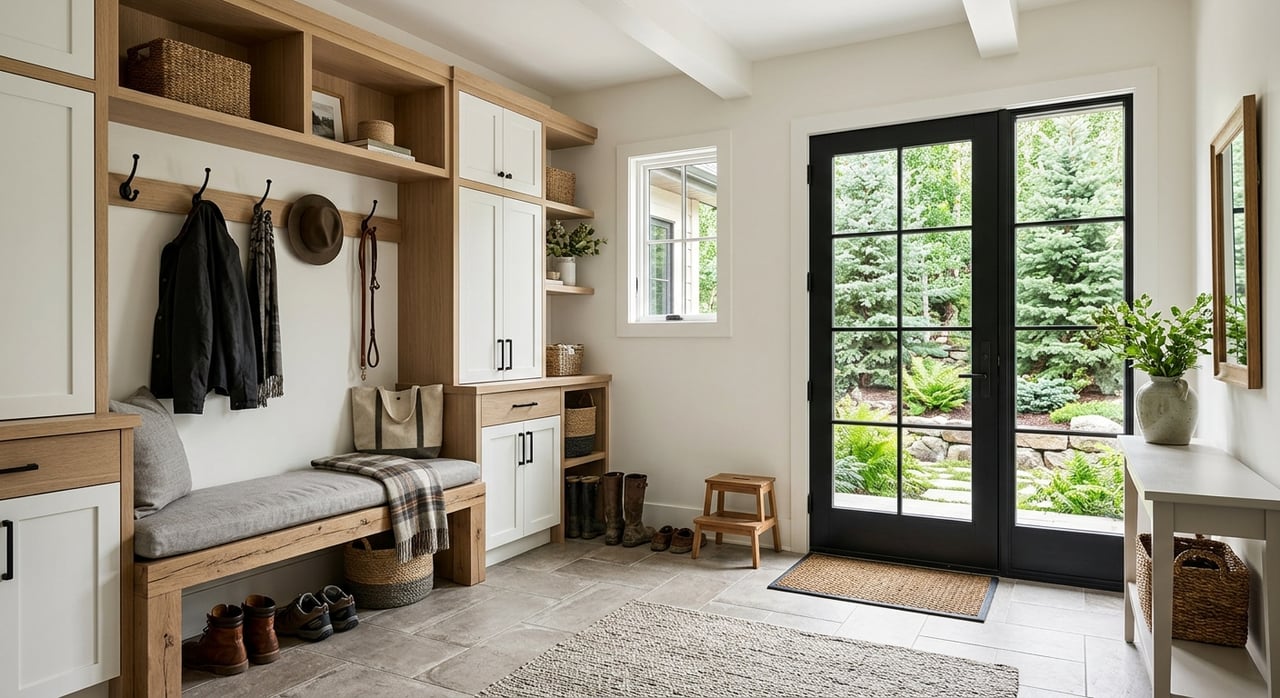
A move-up home often sells best when buyers can picture an upgraded lifestyle, not just a list of features. That makes presentation a big part of your strategy. In Post Falls, where outdoor access and day-to-day livability are part of the appeal, your home should feel clean, functional, and easy to imagine living in.
The NAR 2025 Profile of Home Staging found that 83% of buyers’ agents said staging made it easier for buyers to visualize a property as a future home. The same report found that 49% of sellers’ agents said staging reduced time on market, and 29% said it increased the dollar value offered by 1% to 10%.
You do not always need a full-scale overhaul. That report also found that 51% of sellers’ agents who did not stage still recommended decluttering or correcting property faults. For many Post Falls sellers, that means focusing on the rooms buyers notice first and making sure the home feels well cared for.
Focus on the Most Important Rooms
NAR found that buyers cared most about the living room, primary bedroom, and kitchen. If your budget or time is limited, start there. These spaces shape first impressions and often influence how buyers feel about the home as a whole.
A practical prep list can include:
- Decluttering surfaces, closets, and storage areas
- Touching up paint and minor cosmetic flaws
- Fixing obvious maintenance issues
- Simplifying decor so rooms feel larger and brighter
- Arranging furniture to show flow and function clearly
Invest in Strong Marketing Media
Your first showing often happens online. That means polished visuals are not optional if you want to compete well. In a market where buyers move quickly, strong photography and digital presentation can help your home get attention early.
The same NAR staging report found that buyers’ agents rated photos as highly important at 73%, followed by physical staging at 57%, video at 48%, and virtual tours at 43%. That supports a marketing plan built around professional listing photography and strong online media.
For a trade-up property, good marketing should also tell a lifestyle story. If your home has outdoor living space, a flexible bonus room, a larger yard, or easy access to recreation, those features should be presented clearly and thoughtfully.
Gather Records Before You List
Preparation is not only about appearance. It is also about making your transaction easier once buyers begin asking questions. If you added a deck, finished a basement, built a shop, or completed a major remodel, gather documentation before your home hits the market.
The Post Falls Building Division handles permits and inspections for existing residential premises and offers an online portal for applications and inspection results. Having permit-related information ready can help reduce delays and support a smoother review process during escrow.
Price for the Market You Have
Pricing is one of the most important decisions you will make. In a competitive market, it can be tempting to push the list price based on optimism alone. But the goal is not to test the market. The goal is to create strong interest, protect leverage, and keep your move-up timeline on track.
Redfin’s March 2026 data showed a 99.6% sale-to-list ratio in Post Falls, which signals solid pricing alignment overall. At the same time, 18.2% of homes saw price drops. That is a reminder that overpricing can still cost you time and momentum, even when buyer demand is healthy.
A strong pricing strategy should reflect current comparable sales, active competition, and your timing goals for the next purchase. If your move depends on selling within a certain window, pricing should support that outcome.
Sell the Post Falls Lifestyle
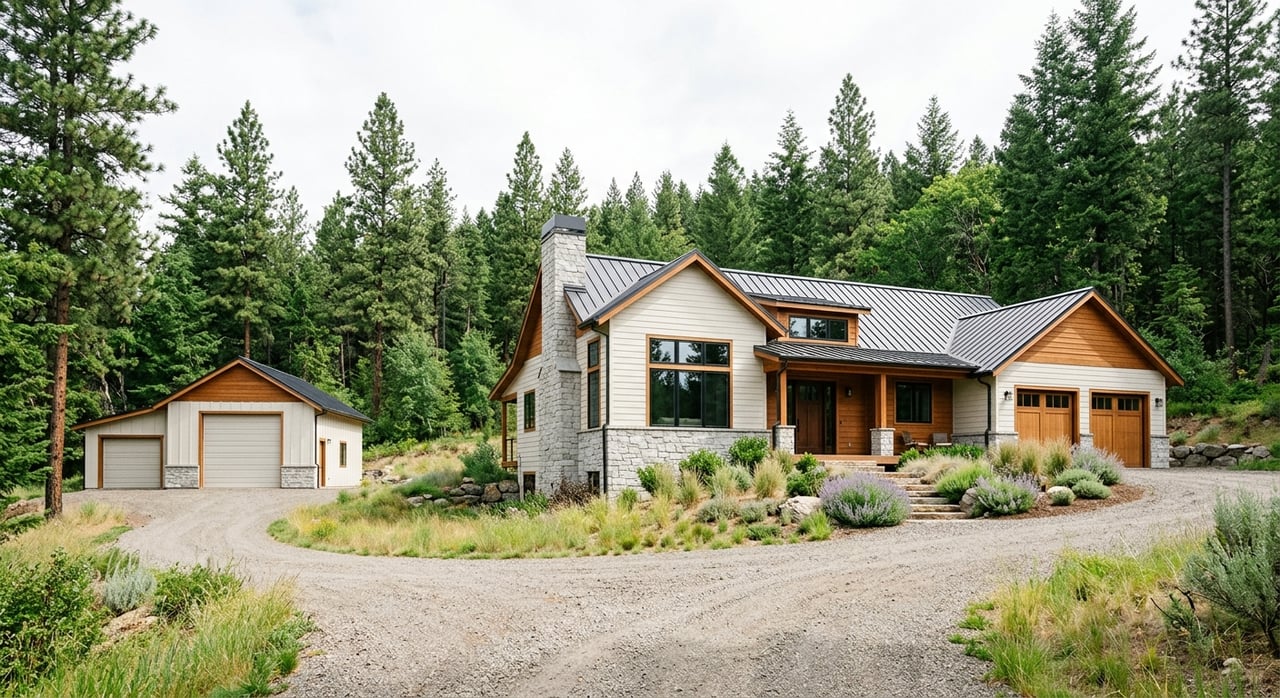
In Post Falls, buyers are often evaluating more than square footage. They may be looking for a home that fits how they want to spend their time day to day. That can include outdoor recreation, easier entertaining, a better layout, or room to spread out.
That is where local context helps. According to the City of Post Falls Parks & Facilities information, the city offers 36 parks, more than 900 acres of park land, 38 miles of trails, 3 splash pads, 16 playgrounds, and 112 climbing routes. Q’emiln Park includes river access, a beach, and a boat launch, and Centennial Trail connects Post Falls with Spokane and Coeur d’Alene.
When your home is marketed well, those lifestyle connections can support buyer interest. The story is not just about bedrooms and bathrooms. It is also about how your home fits into everyday life in Post Falls.
A Simple Trade-Up Strategy
If you want to move up successfully, keep your plan centered on three things:
- Price your current home correctly so you can attract strong interest without losing time to reductions.
- Line up your next purchase early with realistic budget planning, preapproval, and a clear timing strategy.
- Present your home like a lifestyle property with thoughtful prep, strong media, and a clear local story.
That combination can help you protect your equity, reduce stress, and move into your next chapter with more confidence.
If you are planning a move-up sale in Post Falls, working with a team that understands pricing, presentation, and lifestyle-driven marketing can make the process feel much more manageable. To start planning your next move with tailored guidance, connect with Lifestyle North Realty.
FAQs
What makes Post Falls a good market for trade-up home sellers?
- Post Falls has shown population growth, a strong owner-occupied housing base, and competitive March 2026 market conditions, including a 26-day average time on market and a 99.6% sale-to-list ratio.
When should you sell a home in Post Falls before buying your next one?
- Many homeowners try to sell first before buying, and spring can be a strong season, but the West is generally less affected by seasonality than other regions, so timing should match your budget and purchase plan.
How should Post Falls homeowners prepare a move-up home for sale?
- Focus on decluttering, fixing visible cosmetic issues, and improving key rooms like the living room, primary bedroom, and kitchen, since staging and presentation can help buyers visualize the home.
What costs should Post Falls move-up buyers plan for besides the down payment?
- You should also budget for closing costs, which the CFPB says typically range from 2% to 5% of the purchase price, along with moving expenses, repairs, and furnishings.
What protections should you include when buying your next home in Post Falls?
- Financing and inspection contingencies are commonly recommended because they can help protect you if the loan does not come through or the inspection reveals serious property issues.
Why does pricing matter even in a competitive Post Falls market?
- Even though some homes sell above list price, local data also shows price drops, which means overpricing can still reduce momentum and make your move-up timeline harder to manage.