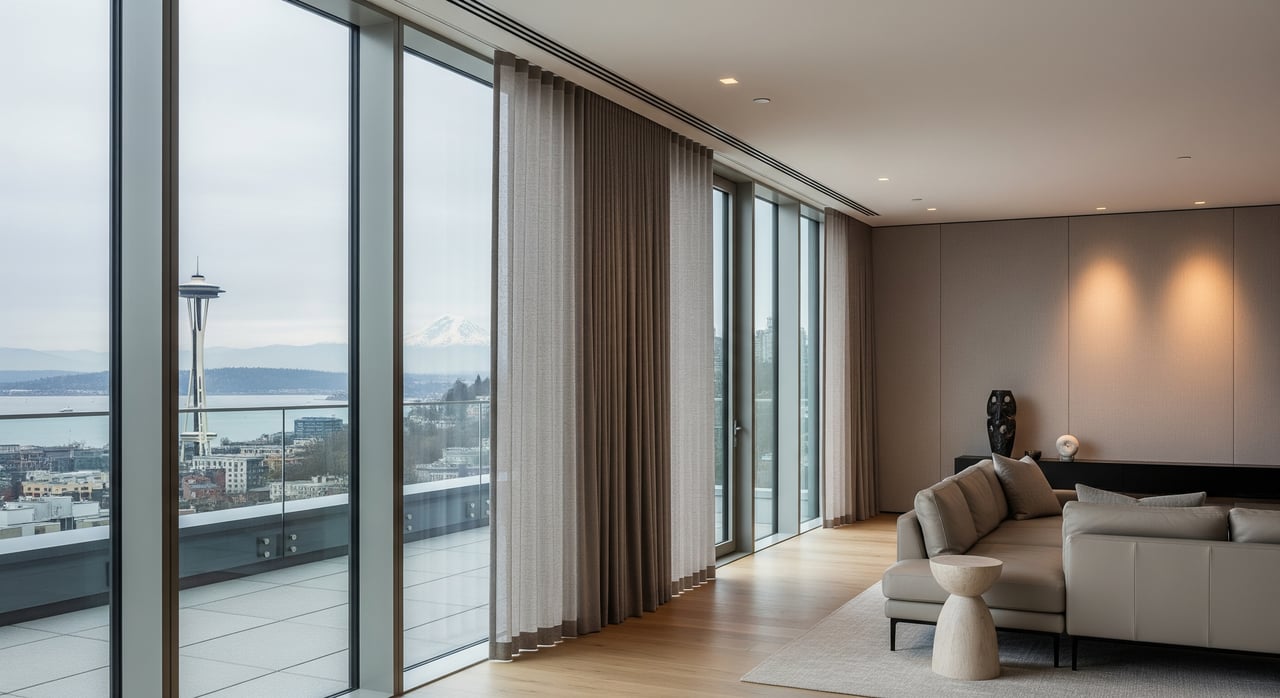
City sounds are part of Seattle’s energy, but they should not follow you into your bedroom at night. If traffic, rail, construction, or aircraft noise keeps you from feeling at home, you are not alone. In this guide, you will learn how to measure noise, what window and building upgrades work, and which local programs and rules matter in Seattle. Let’s dive in.
Seattle noise sources and rules
Seattle’s most common noise sources include road traffic along I‑5 and major arterials, freight and Link light rail, active construction sites, nightlife and amplified sound, helicopters, and aircraft from Sea‑Tac. Patterns vary by neighborhood and time of day. The City enforces a municipal noise code that sets outdoor limits by zone, defines quiet hours, and restricts construction times. You can review enforcement basics and complaint routes on the Seattle Department of Construction and Inspections noise code page here.
Aircraft noise is regulated by the FAA and the Port of Seattle, not the City. The Port operates public noise monitors and maps that help you see flight‑path exposure and compare locations. Explore those tools on the Port’s aircraft noise monitoring page here.
Measure and document what you hear
Quick tools you can use
Start with your phone. NIOSH’s Sound Level Meter app for iOS is a validated, free tool for spot checks and is typically accurate within about ±2 dBA when used as directed. Learn how it works and how to calibrate it here.
When to bring in a pro
If you need formal documentation or a targeted plan, an acoustical consultant can test your home and report metrics such as Outdoor‑Indoor Transmission Class (OITC) for traffic and aircraft or measured interior levels for program eligibility. See how OITC is defined by standards organizations here.
Local data and who to contact
For aircraft exposure, the Port’s monitors, maps, and comment portal are your best starting point. For construction or equipment noise, SDCI outlines when and how to file a complaint. Find the Port’s monitoring resources here and City code information here.
Buyer walkthrough checklist
- Visit at multiple times, like rush hour, early morning, and late evening.
- Take spot readings with the NIOSH app, note date and conditions, and test key rooms such as bedrooms and living spaces.
- Ask for seller disclosures and any records of acoustic upgrades or Port program participation.
- If aircraft noise is a concern, compare the address to Port maps and eligibility contours.
Windows first: your highest‑impact upgrade
Why windows matter most
Windows and exterior doors are usually the weakest link for outdoor‑to‑indoor sound. Sealing frames, replacing single‑pane units, and tightening weatherstripping often deliver big gains. In Seattle, energy code requirements also shape window choices, so thermal and acoustic performance are often tackled together. Review local energy code forms and guidance here.
What the ratings mean
You will often see Sound Transmission Class (STC) used for windows and walls, which summarizes mid to high frequency sound reduction. OITC better reflects lower frequencies common in traffic and aircraft. Learn more about STC here and OITC here.
Effective window options
- Replace single‑pane windows with well‑installed double‑glazed units. Performance varies by pane thickness, air gap, and frame quality.
- Choose laminated or asymmetric glass to improve low‑frequency control from traffic and aircraft.
- Add interior secondary glazing inserts where full replacement is not practical. Independent testing of insert solutions has shown average noise reductions on the order of about 10 to 15 dB and window performance in the STC low‑40s in some tests. See a summary of testing results here.
Don’t forget ventilation
Tighter windows and better seals help a lot, but you still need fresh air. Many retrofit packages combine airtight windows with mechanical supply or heat‑recovery ventilation so you can keep windows closed and maintain indoor air quality. Seattle energy code resources are a good check before you plan upgrades here.
Walls, floors, and ceilings
If noise still intrudes, walls and structure can be improved by adding mass, decoupling, and sealing flanking paths. Techniques include extra gypsum layers, resilient channels or isolation clips, mineral wool in cavities, and meticulous air sealing. Low frequencies are harder to tame and may require heavier, engineered solutions. A consultant can help you target the most effective changes.
Local programs and permits
Port of Seattle Sound Insulation Program
If a property lies inside the FAA‑approved DNL 65 dB noise remedy boundary and meets program rules, the Port’s Sound Insulation Program may fund sound‑rated windows, doors, and ventilation. Check eligibility details and current phases on the Port’s program page here.
Permitting and construction hours
Substantial window replacements, mechanical ventilation, or structural changes can trigger permits. For construction work near you, the City’s noise code sets time limits and outlines variance options and enforcement. Review the code and complaint guidance here.
Buyer and seller quick actions
For buyers
- Time your showings to typical noise peaks and take a few readings.
- Confirm any past acoustic upgrades or Port program involvement.
- Prioritize homes where bedrooms can be quieted with window and sealing improvements.
For sellers
- Disclose known noise sources and share records of upgrades or program participation.
- Tackle high‑impact fixes first, like sealing or replacing exterior doors and adding inserts to key bedrooms.
- Document improvements so buyers can see measurable benefits.
What results to expect
Window upgrades and quality inserts often deliver large, noticeable reductions in everyday city noise. Many owners find bedrooms become comfortable with windows closed and peak events are far less intrusive. Results vary by source and frequency. Low‑frequency rumble from heavy traffic or aircraft is tougher to eliminate completely, which is why a targeted plan and realistic expectations are important. See representative window insert performance summaries here.
Ready to find your quiet in Seattle
You deserve a home that supports rest, focus, and connection. If noise is on your shortlist, we will help you weigh exposures, evaluate upgrade potential, and align your search or sale strategy with your goals. Start a conversation with Lifestyle North Realty.
FAQs
How do I check if a Seattle home is in an airport noise zone?
- Use the Port of Seattle’s public monitors and maps to compare the address to flight paths and noise contours, and review program context on the Port’s aircraft noise monitoring page.
What are Seattle’s basic construction noise hours?
- The City’s noise code sets time limits for construction, with a general weekday window and stricter rules for certain residential zones and impact work; see SDCI’s noise code overview for specifics.
Which window rating matters for traffic and aircraft noise?
- STC summarizes mid to high frequency sound reduction, while OITC better reflects lower frequencies common in traffic and aircraft; check both when comparing window options.
Are interior window inserts effective for Seattle traffic noise?
- Independent testing has shown inserts can reduce noise by roughly 10 to 15 dB on average and raise apparent window performance into the STC low‑40s in some cases, depending on site conditions.
How can I measure noise during a home viewing without special gear?
- Use the NIOSH Sound Level Meter app for iOS to take spot readings, note the time and conditions, and test key rooms like bedrooms during typical peak periods.