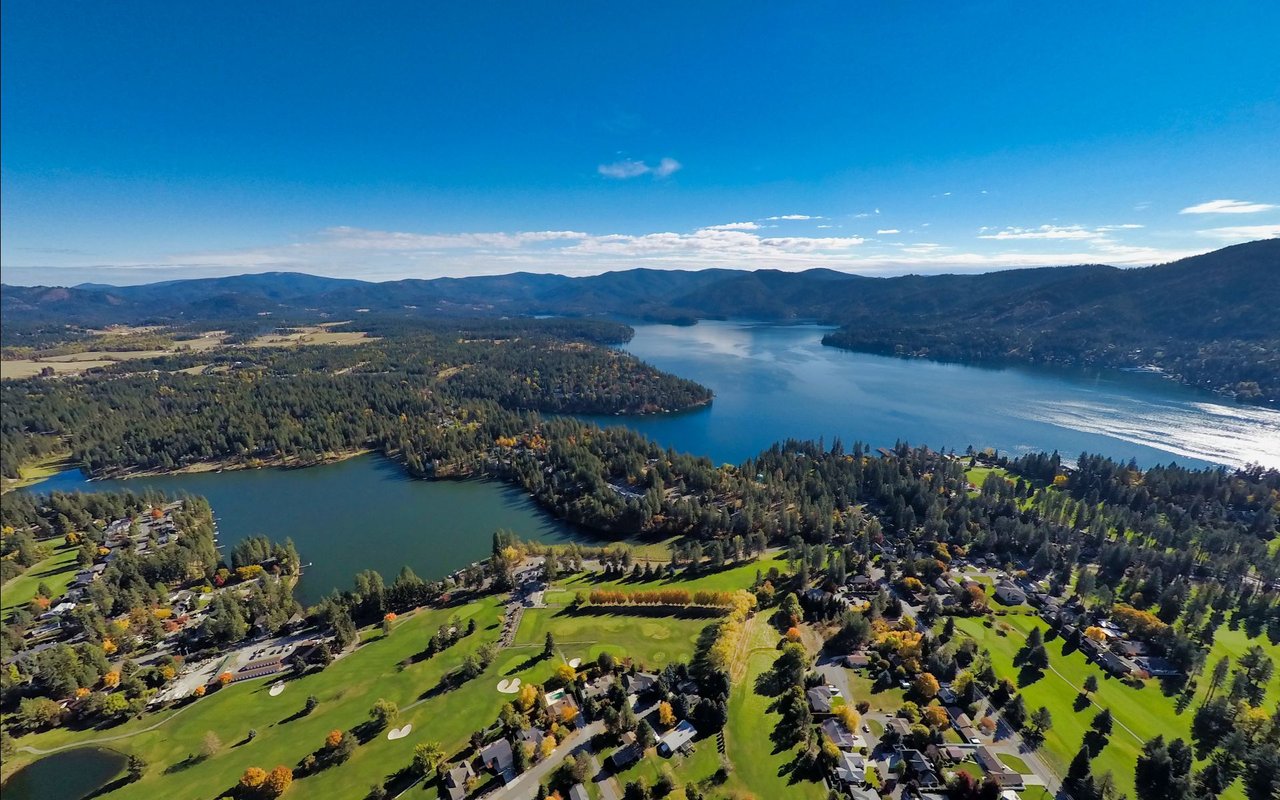
Dreaming of elbow room and a mountain-lake view without giving up access to Coeur d’Alene or Spokane? Around Rathdrum, you can find just that, but the smartest buys start with a clear plan. Acreage and view lots come with unique rules for wells, septic, roads, and wildfire readiness, plus local aquifer protections that shape what you can build. In this guide, you’ll learn how to evaluate land, avoid costly surprises, and position your property for long-term value. Let’s dive in.
Why buy acreage near Rathdrum
You get space, privacy, and the North Idaho lifestyle while staying within a typical 20 to 30 minute drive to Coeur d’Alene and about 35 to 50 minutes to Spokane, depending on your exact location and traffic. As regional highway work continues, access is improving in key corridors. ITD’s I‑90 widening and SH‑41 improvements are intended to increase capacity and can influence commute patterns, future noise, and resale in nearby areas.
Buyer demand for the Rathdrum area has been steady in recent months. That interest supports values for well-sited view lots and usable acreage. Exact pricing is parcel specific, so plan to review fresh comps when you are ready to write an offer.
Zoning and lot size basics
Kootenai County uses zones that set minimum lot sizes and permitted uses. Agricultural and Rural zones often guide acreage outside city limits, while Restricted Residential allows smaller lots closer in. Before you fall in love with a view, confirm the parcel’s zoning and whether it sits inside an Area of City Impact. You can start with Kootenai County Planning and the county’s Land Use and Development Code.
What you will commonly see near Rathdrum:
- 1 to 5 acres: Rural feel close to services, more likely to have nearby utilities.
- 5 to 20 acres: Classic small farm or pasture properties with private well and septic.
- 20+ acres: Hobby farms, timber, or more remote tracts that need careful access planning.
Remember, zone and overlays, not just acreage, determine what you can do now and later.
Views, slopes, and your building site
View homes often sit on ridgelines or benches that capture lake or mountain vistas. Steeper slopes can look dramatic but they add cost for excavation, drainage, and erosion control. County guidance advises avoiding building on slopes over 15 percent when possible, and steeper sites can trigger extra review. Always match your home plan to the land and confirm any special setbacks or defensible-space requirements in the county code.
Water, wells, and the SVRP aquifer
Much of the Rathdrum Prairie sits over the Spokane Valley–Rathdrum Prairie aquifer, which is a Sole Source Aquifer and a Sensitive Resource Aquifer. That status makes groundwater protection a central issue for every acreage buyer. Start with the Idaho DEQ’s Rathdrum Prairie Aquifer overview and the USGS technical background on the SVRP aquifer to understand why siting and density rules exist.
The Panhandle Health District administers septic permitting and aquifer protection locally. Over parts of the aquifer, septic system density is limited, often referenced as one system per roughly five acres. System type and siting also matter. Always confirm whether a parcel lies inside a protection area and what rules apply through Panhandle Health District’s water protection page.
Wells and proof of water
Many acreage properties rely on private wells. Ask for the recorded well log, pump test, and any water quality reports. Well construction follows state rules and drillers submit completion reports, so documented history matters. Review the state framework and confirm records tied to the parcel using the statutes summarized here: Idaho water law overview for domestic wells.
Septic approvals and density limits
Before closing, get a soils evaluation and confirm preliminary septic approval with Panhandle Health. If the parcel is over the aquifer or in a recharge area, the district may require specific system types or limit density. This directly affects whether you can add a guest house later or divide the land, so plan ahead with Panhandle Health District.
Utilities and connectivity
Do not assume city services reach your lot. Rural parcels around Rathdrum can be served by investor-owned utilities or local co-ops for electricity. Broadband varies by street and even by side of road. Fiber and cable are expanding, but fixed wireless or satellite, including Starlink, often fill the gap for remote tracts. Confirm exact serviceability for the parcel address, and use a coverage check like Allconnect’s Rathdrum resource to start your outreach with providers.
Access, roads, and wildfire readiness
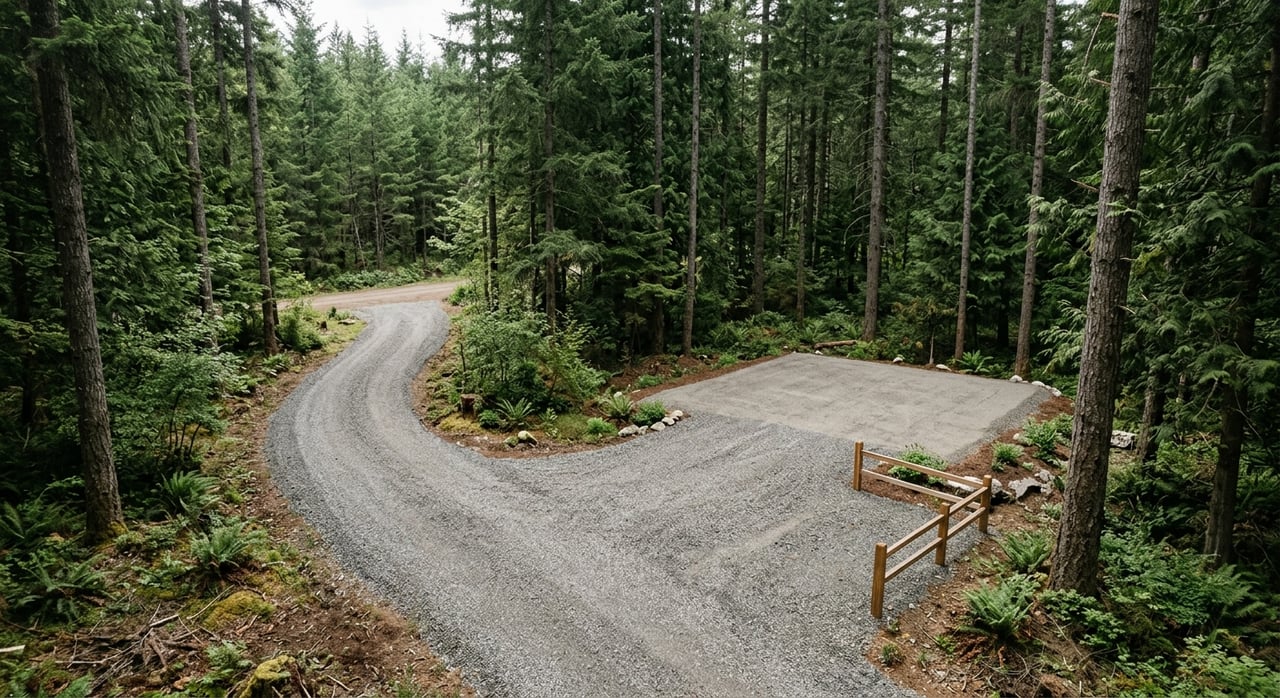
Many view and acreage homes rely on private roads or long driveways. Confirm who maintains the road and who pays for snow removal and repairs. Kootenai County sets standards for private roads and emergency access on new development, and permits may depend on meeting width, grade, and turnaround criteria outlined in the county code.
Rathdrum is served by Northern Lakes Fire District. Wildland-urban interface conditions and summer burn restrictions are common, so plan for defensible space, clear access for engines, and an adequate water supply for new construction. Ask the district about hydrant or cistern expectations and driveway standards. Start with the Northern Lakes Fire District for boundaries, permits, and seasonal guidance.
Floodplains, wetlands, and habitat
Even on upland parcels, mapped wetlands or flood zones can shape where you build. Check FEMA flood maps and the county’s parcel tools for overlays early in your due diligence. If wetlands are present, expect additional permitting and a smaller buildable area. The Kootenai County Treasurer portal links to parcel lookup and mapping tools that help you review a site: Kootenai County Treasurer and property tools.
Taxes and carrying costs
Larger parcels often carry higher assessed land values, and maintenance costs add up. Budget for well and septic upkeep, fuels management, driveway grading and plowing, and fencing. For current levy rates and parcel-specific tax details, use the county’s lookup tools at the Kootenai County Treasurer.
Resale tips for view and acreage
Acreage and view homes can command premium prices, but they can also take longer to sell than suburban homes. The strongest resale stories are simple and documented. Keep copies of well logs and pump tests, septic permits, road maintenance agreements, and any defensible-space work or insurance inspections. Clear title and flexible zoning also help. When you buy, negotiate for the paperwork you will want to hand the next owner.
What to check before you buy
Use this quick list as you evaluate any acreage or view parcel around Rathdrum:
- Confirm zoning, overlays, and permitted uses with Kootenai County Planning.
- Review the Land Use and Development Code for lot sizes, subdivisions, and access standards.
- Pull the assessor record and tax district at the Kootenai County Treasurer.
- Verify a recorded well log and recent pump test; review state well rules with this Idaho water law overview.
- Get soils evaluation and preliminary septic approval through Panhandle Health District. Check aquifer-specific density rules.
- Confirm road access and who maintains or plows it. Match driveway width and turnarounds to county and fire standards in the county code.
- Contact Northern Lakes Fire District about defensible space, driveway access, and water supply requirements.
- Verify electric and broadband serviceability to your exact lot. Start with Allconnect’s Rathdrum page and confirm with providers.
- Check for floodplains or wetlands through county tools linked from the Treasurer’s portal.
- Order a full title report and review easements, CC&Rs, or conservation restrictions.
- If you want future division, ask Planning about family division or subdivision pathways.
- Include contingencies for well, septic, access, and inspections in your offer.
Ready to walk land with a plan?
Buying acreage around Rathdrum can be a smart, lifestyle-forward move when you pair the right parcel with the right due diligence. Focus on water, septic, access, and wildfire readiness, and you will protect both your day-to-day enjoyment and your long-term resale. If you want a local, concierge partner to help you source lots, coordinate tests, and negotiate strong protections, we are here to help. Connect with Lifestyle North Realty to tour properties and build your plan.
FAQs
How close is Rathdrum acreage to Coeur d’Alene and Spokane?
- Many parcels sit about 14 miles from Coeur d’Alene and roughly 30 to 40 miles from Spokane. Actual drive times vary by exact location, route, and construction.
What are the key aquifer rules I should know before buying?
- Parts of the area sit over the Spokane Valley–Rathdrum Prairie aquifer, where septic density and system designs face added scrutiny. Start with Idaho DEQ’s aquifer overview and confirm parcel-specific rules with Panhandle Health District.
Do I need a well test if the seller has a well log?
- Yes. A current pump test and water quality report give you real, recent performance data that a historic well log cannot. Tie these items to your purchase contingencies.
Can I split my acreage in the future?
- Maybe. Zoning, overlays, and aquifer rules control division options. Ask Kootenai County Planning about family division options or required improvements for a formal subdivision.
What should I verify about private roads and driveways?
- Confirm legal access, road ownership, and who pays for maintenance and plowing. Check that driveways and turnarounds meet county and fire district standards for width, grade, and emergency access.
How do current highway projects affect value and resale?
- Projects like ITD’s I‑90 widening and SH‑41 improvements can change commute times, traffic noise, and access. Track timelines and proximity when evaluating a parcel’s future desirability.
Are fiber internet and modern utilities available on rural lots?
- Availability varies by street and even by side of road. Verify electric service and check fiber, cable, or fixed wireless options for the exact address. Satellite can be a fallback in remote areas.