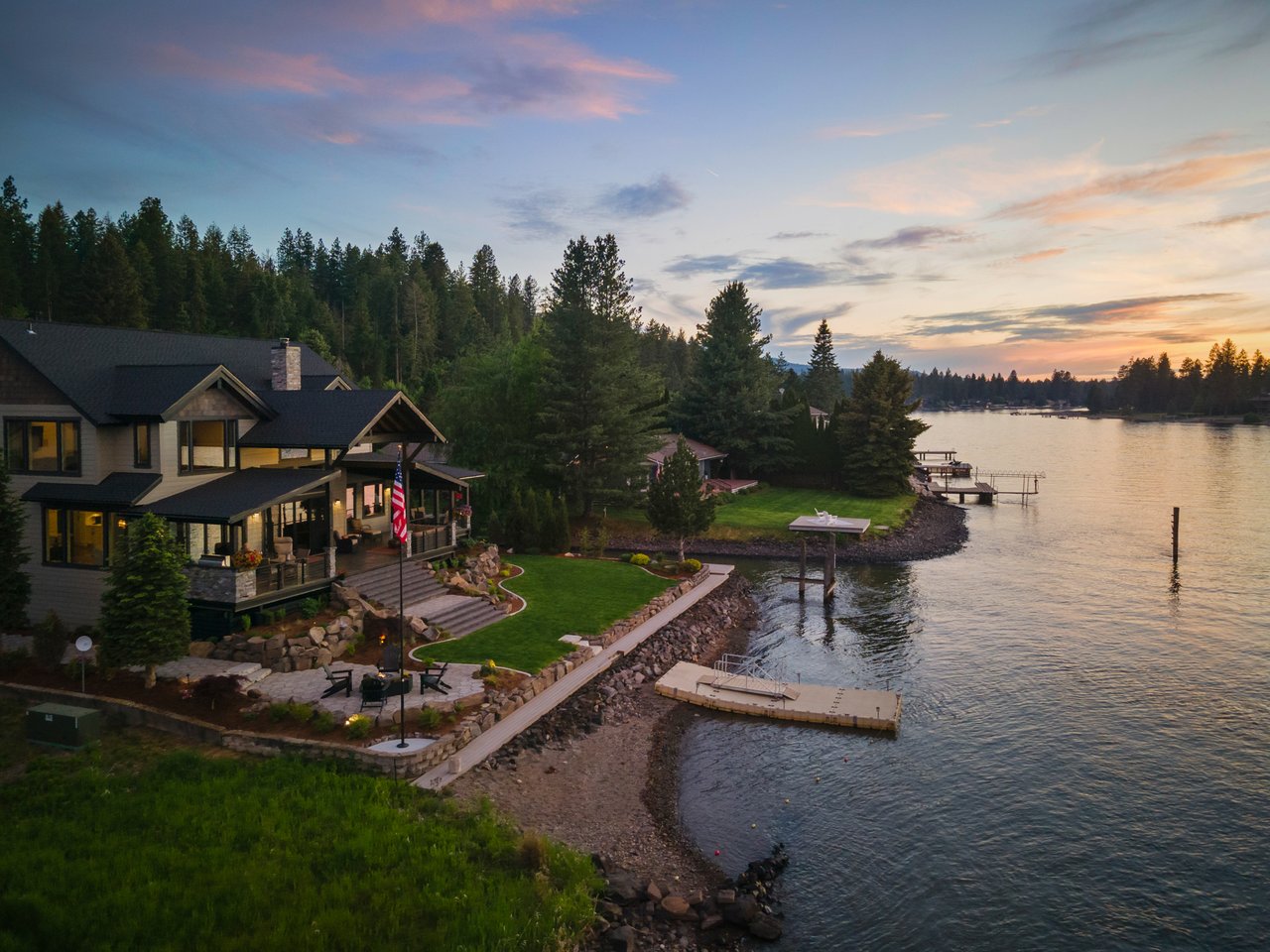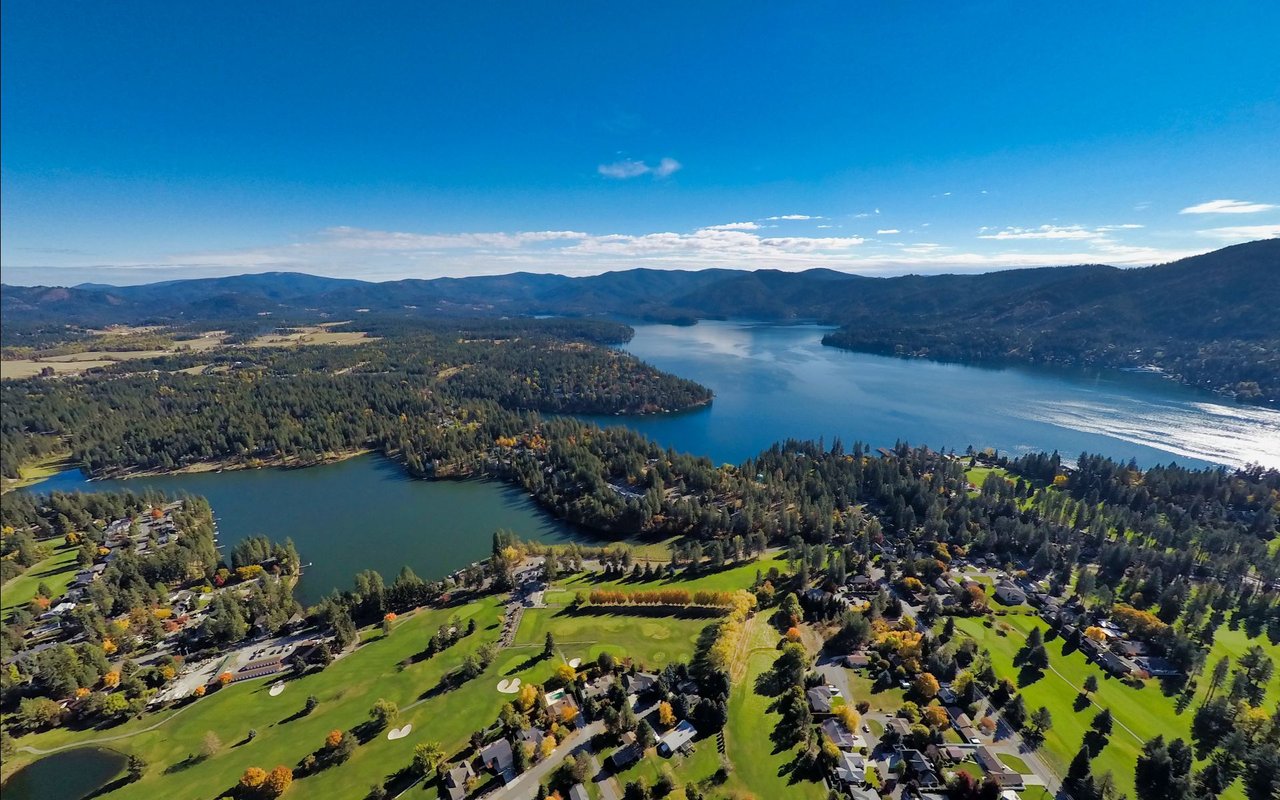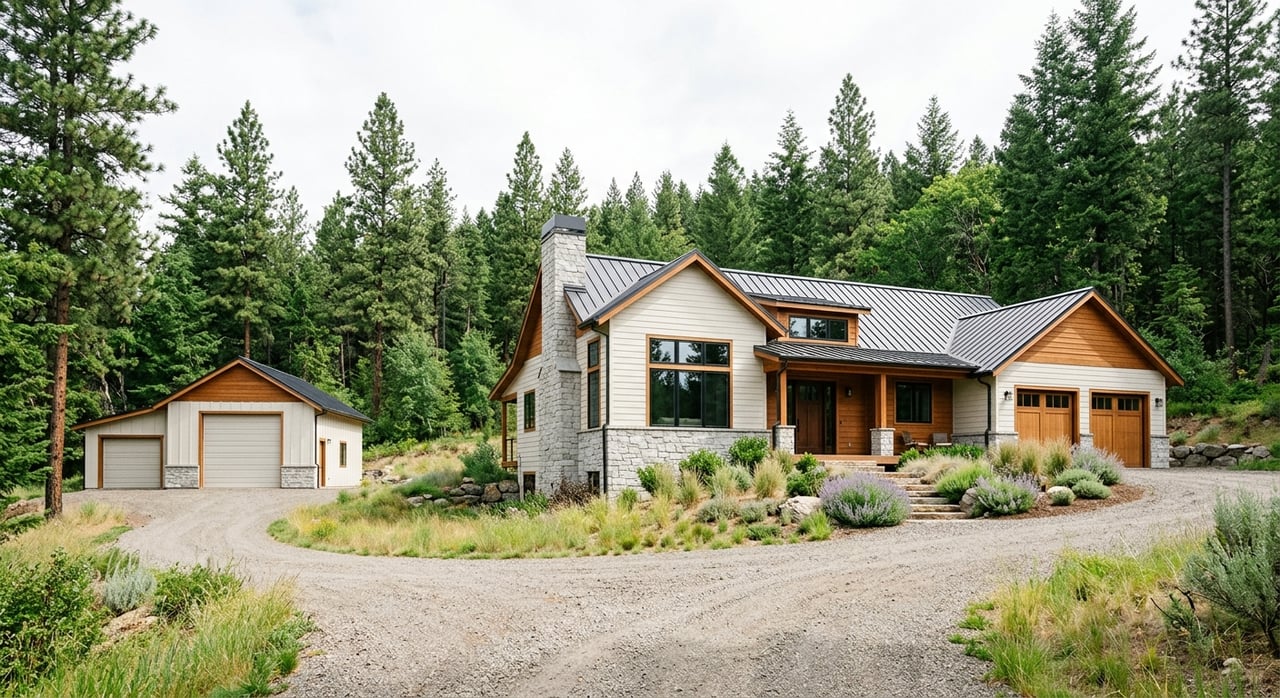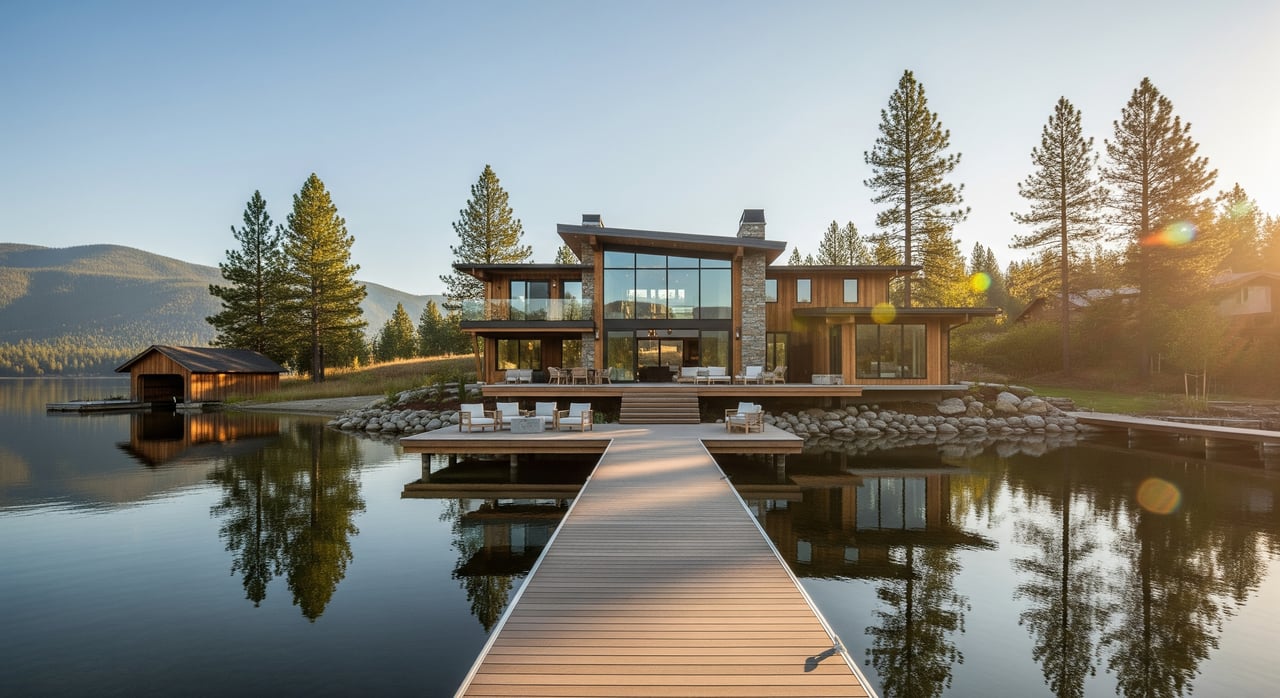
Picture evening light on the lake, your kayak on a community dock, and a short walk back to a quiet home that is not right on the shoreline. That is the promise of secondary waterfront near Rathdrum. If you are weighing views and access against cost and maintenance, you are not alone. In this guide, you will learn what “secondary waterfront” really means in Kootenai County, how to verify rights and permits, what to inspect, and a clear checklist to buy with confidence. Let’s dive in.
What “secondary waterfront” means here
Secondary waterfront is a practical term, not a legal one. Around Rathdrum, it usually means you are close to water or have shared access, but your lot is not the primary lakefront parcel.
Common types near Rathdrum
- Shared or community access: You own a nearby home and use a deeded beach, park, or community dock.
- Deeded but non-contiguous access: Your lot includes a recorded easement or a share in a separate shoreline parcel.
- Seasonal or ephemeral frontage: The property borders a creek, wetland, or pond that may shrink or dry at certain times of year.
- View or proximity only: You can see the water, but there is no legal access or shoreline rights.
- Riparian fringe or secondary channels: Parcels along minor branches or backwaters that connect to a larger lake or river.
Why buyers choose it
- Lower purchase price than primary waterfront in most cases.
- Access to boating, paddling, and swimming through shared facilities.
- Attractive water views with fewer shoreline maintenance responsibilities.
Tradeoffs to expect
- Rules on hours, parking, guest use, and dock assignments if access is shared.
- HOA dues and possible special assessments for maintenance.
- Rights are often more limited than a full lakefront lot.
- Potential for use or maintenance disputes if documents are unclear.
Local waters and seasons around Rathdrum
Kootenai County includes major lakes and river corridors, such as Lake Coeur d’Alene and Hayden Lake, along with ponds, creeks, and wetlands. Rathdrum sits among prairie and agricultural parcels where shared access points, community docks, and smaller water features are common.
Water levels and seasonal changes
Lake and creek levels can shift with the season and multi-year cycles. On smaller shorelines, you may find that a launch or beach is usable only part of the year. Plan for shoulder-season conditions and ask about winter drawdowns.
Water quality and invasive species
Summer algal blooms can affect enjoyment on slow-moving waters. Aquatic invasive species, including zebra and quagga mussels and Eurasian watermilfoil, are an ongoing regional concern. State programs and inspections are in place at launches, and compliance is important if you trailer a boat between water bodies.
Flooding and access
Low-lying riparian areas can face high water events. If a shared path, stairway, or parking area sits near the waterline, confirm whether it stays usable during spring runoff and who handles repairs after storms.
Rights and access you must confirm
Secondary waterfront value depends on what you can legally do, not just what you can see.
Deeded access and easements
- Confirm in writing whether access is deeded and appurtenant to your lot. If it runs with the land, it should transfer to you at closing.
- Review the exact location of the easement and path to the water. Distance, slope, and parking can make or break daily use.
- Clarify who maintains the access, stairs, or dock and how costs are shared.
HOA and shared-facility rules
- Read CC&Rs and HOA rules for hours, guest policies, boat storage, and dock assignments.
- Ask about caps on users, waitlists for slips, and how disputes are handled.
- Budget for dues and possible assessments tied to shoreline repairs or upgrades.
Water rights vs. land ownership
In Idaho, water rights are administered separately from the land. Contact the Idaho Department of Water Resources to check for any water rights connected to the property and to understand permitted uses. Do not assume proximity to water grants diversion rights.
Permits and approvals to verify
Shoreline work is often regulated at multiple levels. Before you plan improvements, confirm what exists today and what is allowed.
County and state
- Kootenai County Planning and Building: Verify permit history for docks, piers, boathouses, retaining walls, and shoreline stabilization.
- Idaho Department of Water Resources: Confirm water-right records and any appropriative uses tied to the parcel.
- Idaho Department of Fish and Game and Idaho Department of Environmental Quality: Ask about local rules related to aquatic invasive species, fish and wildlife, and water quality.
Federal and floodplain
- U.S. Army Corps of Engineers: Some in-water work or fill can require federal permits.
- FEMA Flood Map Service Center: Check flood-zone status and base flood elevation, which can affect design, insurance, and lending.
Inspections, insurance, and maintenance
A focused inspection plan protects you from costly surprises and speeds up underwriting.
Physical inspections to prioritize
- Title and survey: Confirm the legal description, all recorded easements, and whether a shoreline parcel is included. A current boundary survey is often essential.
- Dock and shoreline structures: Inspect anchoring, decking, permits, and expected life. Confirm that any past stabilization was permitted.
- Bank stability and vegetation: Check for erosion, slope issues, and riprap condition.
- Septic and well: For rural parcels, test capacity and condition, confirm setback compliance, and budget for upgrades if needed.
- Water quality for private ponds or shallow areas: Consider sampling for bacteria, nutrients, and algal toxins if you plan to swim or fish.
- Access route and parking: Make sure paths, stairs, or roads are usable and safe year-round.
Insurance and liability
- Flood insurance: If the parcel sits in a FEMA flood zone, expect a lender to require a separate flood policy. Private flood insurance may be an option.
- Homeowners coverage: Proximity to water, docks, or boathouses can affect premiums and exclusions. Disclose all structures to your insurer.
- Liability: Shared docks and beaches create third-party exposure. Confirm which policies the HOA carries and what you must carry personally.
Ongoing costs to plan for
- Dock and shoreline: Shared systems may have HOA dues or assessments. Private structures need periodic repairs and replacement.
- Vegetation and habitat: Manage shoreline plants for erosion control while following habitat protections.
- Boat and invasive-species compliance: Follow inspection and cleaning rules, especially when moving boats between water bodies.
Buyer due diligence checklist
Use this list early in your offer period to reduce surprises and delays.
- Get the deed and a preliminary title report. Confirm access rights, easements, and restrictions.
- Order or review a recent boundary survey that shows the access route and any shoreline parcel.
- Verify permit history with Kootenai County for docks, stabilization, and other shoreline work.
- Check FEMA flood maps and note base flood elevation. Get preliminary flood insurance quotes if applicable.
- Contact the Idaho Department of Water Resources to identify any water rights tied to the property.
- Review all HOA and CC&R documents for use rules, fees, and maintenance obligations.
- Schedule inspections: septic and well, dock and shoreline, bank stability, plus a full home inspection.
- Ask about invasive-species protocols and any past water-quality issues on the waterbody you plan to use.
- Confirm the physical access plan, including parking at the access point and who maintains it.
- Consult your buyer’s agent and, if needed, an Idaho attorney experienced with waterfront and easement matters.
Who to contact for records and guidance
- Kootenai County Assessor and Recorder for deeds, recorded easements, and tax records.
- Kootenai County Planning and Building for shoreline permits, setbacks, and code questions.
- Idaho Department of Water Resources for water-right records and appropriation guidance.
- Idaho Department of Fish and Game for aquatic invasive species and boating compliance.
- Idaho Department of Environmental Quality for water quality issues.
- FEMA Flood Map Service Center and the National Flood Insurance Program for flood mapping and policy information.
- U.S. Army Corps of Engineers for potential permits related to in-water work.
Making your move in Rathdrum
Secondary waterfront can be a smart way to enjoy North Idaho’s lakes and rivers with a lower price point and lighter maintenance. The key is to verify the legal path to the water, understand the rules that come with shared facilities, and plan for inspections and insurance early. With the right due diligence, you can enjoy the lifestyle without the unexpected costs.
If you want a guided, concierge approach from a local team that knows waterfront nuances across Kootenai County, reach out to Lifestyle North Realty. We will help you confirm rights, read the fine print, and find the property that matches how you actually want to live.
FAQs
What does “secondary waterfront” mean near Rathdrum?
- It usually refers to homes close to water that have shared or deeded access, seasonal frontage, or views without direct shoreline ownership or full riparian rights.
How do I know if my Rathdrum property has legal water access?
- Review the deed and preliminary title report, confirm that access is deeded and appurtenant, and verify the exact easement location with a current survey.
Do I need permits for docks or shoreline work in Kootenai County?
- Yes, many dock, pier, or stabilization projects require county permits, and some work may also need state or federal approvals.
Will a lender require flood insurance for a secondary waterfront home?
- If FEMA maps show the home in a special flood hazard area, lenders often require a separate flood policy in addition to standard homeowners insurance.
What inspections are most important for secondary waterfront properties?
- Prioritize septic and well testing, dock and shoreline condition, bank stability, and a full home inspection, plus a survey to confirm access and boundaries.
What HOA rules should I review for shared lake access?
- Check hours of use, guest policies, parking, dock assignments, fees, maintenance responsibilities, and any dispute-resolution clauses.