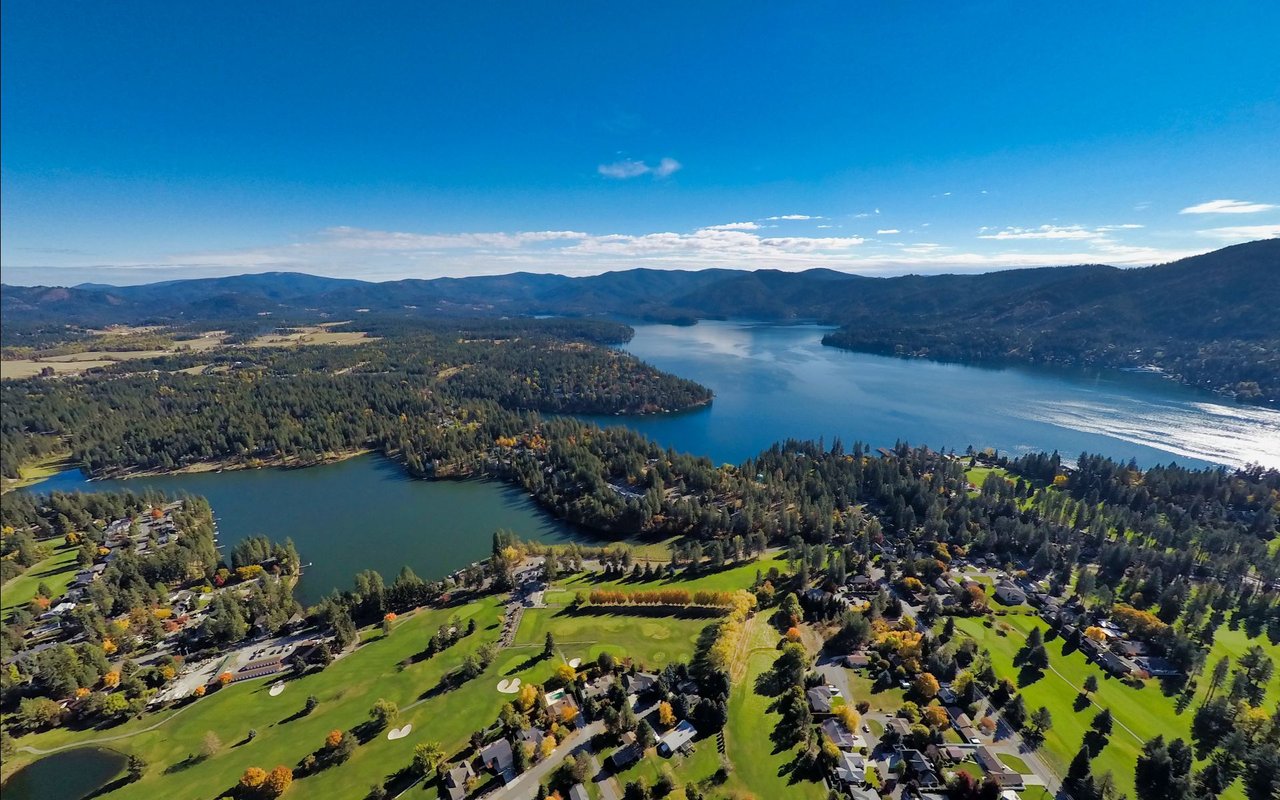
Is lake life calling your name, but you are not sure if you need true lakefront or if a near-lake home will do? You are not alone. In Coeur d’Alene, the words “lakefront” and “secondary waterfront” can mean very different rights, responsibilities, and costs. This guide breaks down what each option really offers, how value is created, what permits and inspections matter, and the steps to take so you can move forward with confidence. Let’s dive in.
What counts as lakefront in Coeur d’Alene?
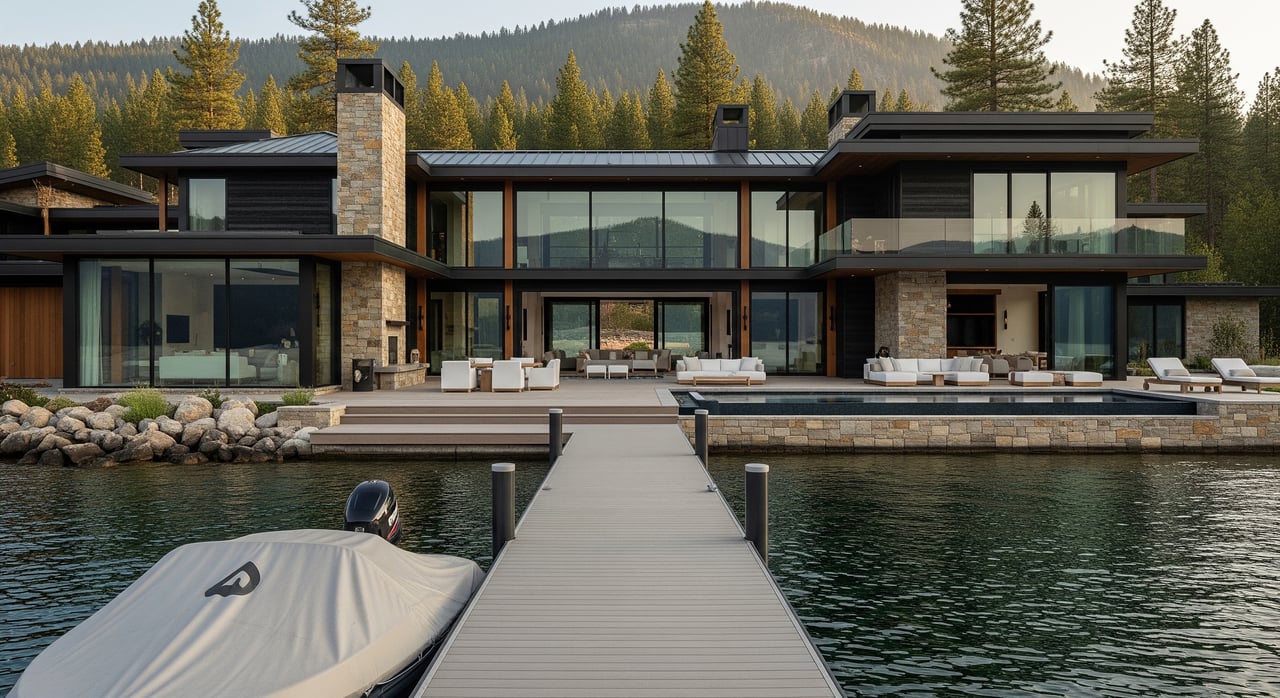
Lakefront, sometimes called primary waterfront, is a parcel with legal, physical frontage on Lake Coeur d’Alene. You can typically walk from the home down to the shoreline on your own property. Many lakefront parcels include the expectation of private dock or moorage rights, although every property is different and rights depend on permits and authorizations.
The key benefit is direct water access on your land. You often get more privacy and control over how you use the shoreline, subject to state and local rules. Because true lakefront is scarce, it usually commands a premium.
What is secondary waterfront?
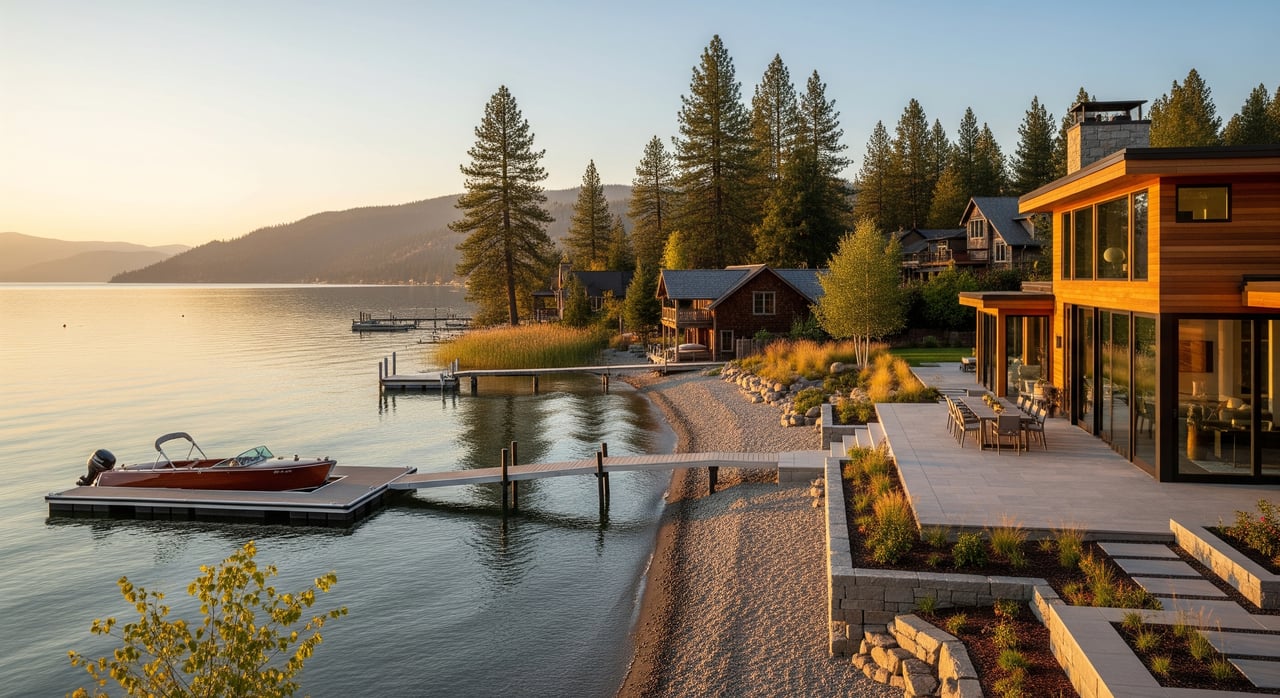
Secondary waterfront covers near-lake and water-adjacent properties that do not sit directly on the main lake shoreline. Common examples include:
- Homes across the road from the lake with a deeded easement to access the water.
- Parcels on a canal, slough, or inlet that connects to the lake but is narrower than the open water.
- Properties with a pond, wetland, creek, or water feature that is not the main lake.
- “View” properties that include shared access to a community beach or boat launch.
You still capture the lake lifestyle and views, often at a lower purchase price and with fewer shoreline obligations. Access is usually shared, or via easements and public facilities.
Why the difference matters
The distinction affects ownership rights, how you use the water, and long-term costs. True lakefront can include littoral rights tied to your parcel, while secondary waterfront relies more on shared or public access. Lakefront usually requires more attention to shoreline rules and permits for docks or stabilization. Secondary options trade some exclusivity for affordability and simpler maintenance.
How the choice shapes your lifestyle and budget
- Access and privacy: Lakefront gives you private access and control, subject to permits, while secondary waterfront often shares access points. Privacy can vary based on the location and type of access.
- Use and boat traffic: Open-water lakefront can bring more boat activity and noise at peak times. Canals or inlets may be quieter but can limit views and maneuvering.
- Maintenance and permits: Lakefront owners are more likely to manage docks, seawalls, and vegetation rules. Secondary waterfront owners focus on easements, shared rules, and access logistics.
- Price and resale: Lakefront scarcity drives a premium. Secondary waterfront attracts buyers who want the lifestyle at a lower cost and can offer strong value if access and views are well documented.
Value drivers to compare
When you compare properties in Kootenai County, look closely at the specifics that drive value and livability:
- Waterfront type and exclusivity: Private, deeded shorefront is most exclusive, followed by shared easements, then public access.
- Shoreline length and beach usability: Linear feet of frontage and whether you have sandy, rocky, or steep terrain shape enjoyment and price.
- Dock and moorage: Existing permitted docks and the type of moorage matter. Shared docks add value but also rules to follow.
- Topography and buildability: Gentle slopes to the water are easier to use. Steep bluffs may require engineering, and retaining walls should be reviewed.
- View and exposure: Big open-water views command a premium. Narrow channel or inlet views can be more sheltered and calm.
- Access and roads: Year-round paved access is more marketable than seasonal or private roads.
- Utilities and systems: Confirm septic versus sewer and well versus municipal water. Capacity and condition influence both value and financing.
- Regulatory constraints: Shoreline setbacks and critical areas can affect your plans for docks, landscaping, or additions.
- Comparable sales: True comps are specific to the waterfront type, frontage length, dock status, and amenities.
Permits, rules, and who to call
Waterfront ownership involves multiple layers of jurisdiction. The details vary by parcel, and you should confirm requirements with local agencies before you plan improvements.
- Shoreline and submerged lands: Many states hold title to submerged lands under the public trust, so owning the shore upland does not automatically grant you rights over the lakebed. On Lake Coeur d’Alene, contact the Idaho Department of Lands for submerged land authorizations, and the Kootenai County Recorder or Assessor for deeded rights and easements.
- Local jurisdiction: Properties inside Coeur d’Alene city limits follow city code. Outside city limits, Kootenai County zoning and subdivision rules apply. Confirm which jurisdiction your parcel falls under.
- HOAs and covenants: Community beaches, shared docks, and access points are governed by CC&Rs. Review these documents closely.
Docks and moorage
Docks, boathouses, and piers often need authorization from the Idaho Department of Lands and may require federal review by the U.S. Army Corps of Engineers on navigable waters. Local building permits also apply. Ask whether an existing dock is permitted, if permits transfer at sale, and if there are size or moorage limits. Shared docks should have recorded maintenance and access agreements.
Shoreline stabilization and vegetation
Shoreline hardening, like riprap or seawalls, usually requires permits and may be limited in favor of natural vegetation solutions. Erosion history and slope stability are important for safety, insurability, and value, especially on steep sites.
Floodplains and insurance
Check FEMA flood maps to see if any portion of a property is in a mapped flood zone. If so, a lender may require flood insurance. Premiums and building options depend on the specific zone, elevation, and community participation in flood programs.
Septic, wells, and utilities
Many waterfront and near-water properties in unincorporated Kootenai County use septic and wells. Verify septic permits, maintenance history, and required setbacks from the water with county environmental health. Test well yield and water quality. If the property is on sewer or municipal water, confirm provider and capacity.
Environmental context and advisories
The Coeur d’Alene River Basin has a history of mining, and long-term remediation has been underway. It is wise to review any available advisories, water-quality reports, or seasonal notices related to algal blooms or fish consumption from state or federal agencies.
Due diligence checklists
Buyer checklist for lakefront
- Verify deeded shorefront and any submerged land lease or authorization.
- Confirm existence and transferability of any dock permit or slip.
- Check FEMA flood map status and talk with an insurance agent about coverage and cost.
- Order septic and well inspections and confirm permits.
- Review shoreline stabilization permits and any erosion reports.
- Conduct a title review for easements, covenants, and shared access agreements.
- Use an appraiser experienced in local waterfront comparables.
Buyer checklist for secondary waterfront
- Clarify exact access type: private, shared easement, or public.
- Confirm whether dock or moorage is permitted, feasible, or available nearby.
- Test the real-world access time and path to the water.
- Understand noise and traffic patterns near public boat ramps or parks.
- Inspect septic, well, slope stability, and drainage just as you would for lakefront.
- Review HOA rules when access is through a community beach or launch.
Seller checklist for both types
- Gather survey, title report, septic records, dock or shoreline permits, and maintenance history.
- Address visible erosion or safety issues and obtain quotes or permits for remedial work.
- Disclose known issues and any past flood or high-water events.
- For lakefront, highlight permitted moorage and any exclusive rights. If docks are shared or not allowed, explain the limits clearly.
A real-world tradeoff example
Picture two attractive options along Lake Coeur d’Alene. The first is true lakefront with gentle slope, a permitted private dock, and open-water views. It offers privacy and direct access but also requires dock upkeep, periodic permit renewals, and careful shoreline management. The price reflects scarcity and those exclusive rights.
The second is across-the-road with a deeded path to a shared community beach and dock. You get the view and the lifestyle at a lower entry price and fewer shoreline obligations. You trade some privacy and flexibility for shared rules and scheduled access. The right choice depends on how you plan to use the property and your comfort with maintenance and permitting.
Red flags to watch for
- Visible dock with no clear record of permits or authorizations.
- Unpermitted seawalls, retaining walls, or shoreline hardening.
- Unclear or unrecorded easements for access, parking, or utilities.
- Erosion, slope movement, or settlement signs with no engineer’s report.
- Septic systems without maintenance records or transfer inspections.
- Ambiguous HOA rules on shared docks or community beaches.
Financing, insurance, and appraisal notes
Lenders may require flood insurance for properties in mapped flood zones. Insurers assess risks from wind, water damage, and wildfire exposure in some locations. If access is non-standard, dock ownership is uncertain, or shoreline improvements are unpermitted, underwriting and appraisal can be more complex. Request an appraiser who understands local waterfront comparables so your valuation reflects frontage length, dock status, and view.
Short-term rental potential
If you plan to rent, confirm city and county rules on short-term rentals before you buy. Licensing, zoning, and taxation can affect your income plan. Seasonal demand is common around the lake, and guest experience depends on clear access, parking, and house rules that match neighborhood standards.
Next steps and local resources
Your first calls should include local planning and environmental health, the Idaho Department of Lands for dock topics, and the county recorder for deeded rights and easements. A thorough file with permits, records, and maps will save you time and money during negotiations and escrow.
- Kootenai County Planning and Building Services
- Kootenai County Assessor and Recorder
- City of Coeur d’Alene Planning Department
- Idaho Department of Lands
- U.S. Army Corps of Engineers
- FEMA Flood Map Service Center
- Kootenai County Environmental Health
- Idaho Department of Environmental Quality and U.S. EPA Coeur d’Alene Basin resources
If you want expert guidance tailored to your goals, reach out to the local team that lives and works this lifestyle every day. Connect with Lifestyle North Realty to compare options, line up the right inspections, and plan a smart strategy for buying or selling on and around Lake Coeur d’Alene.
FAQs
Who owns the lakebed and can I build a dock on Lake Coeur d’Alene?
- Many states retain title to submerged lands under the public trust, so rights over the lakebed are regulated, and docks often require authorization from the Idaho Department of Lands and may need other permits.
How much more does true lakefront cost compared to secondary waterfront in Coeur d’Alene?
- Lakefront usually carries a material premium due to scarcity, exclusivity, and direct access, but the exact difference varies with frontage length, location, topography, dock rights, and overall demand.
What inspections should I order for a waterfront home in Kootenai County?
- Plan on septic and well testing, shoreline and slope review, dock and seawall condition checks with permit verification, a standard home inspection, and an appraiser familiar with waterfront comparables.
Do I need flood insurance for a home near Lake Coeur d’Alene?
- If any part of the property is in a mapped FEMA flood zone, your lender may require flood insurance, and coverage and cost depend on the specific zone and elevation.
Can I operate a short-term rental at a lake or near-lake home in Coeur d’Alene?
- It depends on jurisdiction and zoning, so confirm city or county short-term rental rules, licensing, and taxes before you buy or list the property for rent.
What documents should sellers gather before listing a waterfront property?
- Assemble your survey, title report, septic permits and records, dock and shoreline permits, maintenance history, and any erosion or engineering reports to support value and speed due diligence.